



| Quick Details | |||
| Specification: | DTY | Material: | Polyester/nylon/covered yarn |
| Style: | Single or covered | Technics: | PLASMA |
| Application: | warm clothes | Evenness: | as request |
| Twist: | all can | Feature: | high quality |
| Strength: | great | Place of Origin: | Zhejiang, China |
| Brand Name: | zhejiangkangjiesi | Single/Double: | Single or none |
| Use: | gloves,underwear,socks,pantyhose and so on | Raw material: | dty or covered yarn |
| MOQ: | 1kg,if colors,5kgs | Colour: | all can |
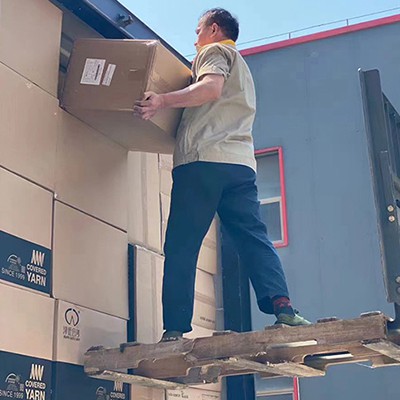
| Nature: | Eco-Friendly | Packing: | PP bags with Carton Package |
| Certification: | JIS | Grade: | Grade AA |
| Technical Point: | Low temperature plasma | Port: | Ningbo/Shanghai OR YIWU |
Supply Ability &Packaging &Delivery
Supply Ability
Supply Ability 40000 Kilogram/Kilograms per Month
Packaging & Delivery
Packaging Details 66cm*33.5cm*42.5cm
Lead Time:
|
Quantity(Kilograms) |
1 - 5000 |
>5000 |
|
Est. Time(days) |
14 |
To be negotiated |


 |
 |
 |
 |
 |
 |
 |
 |

FAQ
1. Q: What ways in which textiles can generate heat?
A:
There are several ways in which textiles can generate heat:
Thermal insulation: Textiles can be designed to trap heat effectively, preventing it from escaping. This is achieved through the use of materials with good thermal insulation properties, such as synthetic fibers or foams. The trapped heat is then retained within the fabric, providing warmth and comfort.
Electrically heated textiles: Textiles can be equipped with heating elements that generate heat when an electrical current is applied. These heating elements can be woven or laminated into the fabric, allowing for controlled heating. Electrically heated textiles are commonly used in clothing, blankets, and pads to provide warmth in cold conditions.
Phase-change Materials (PCMs): PCMs are materials that absorb, store, and release heat energy in a controlled manner. They can be incorporated into textiles to provide temperature regulation and heat retention. When the PCMs absorb heat, they undergo a phase change from solid to liquid or vice versa, releasing or absorbing heat energy as they do so. This helps maintain a constant temperature and provides comfort in various climatic conditions.
Solar energy absorption: Textiles can be designed to absorb solar energy and convert it into heat. This is achieved by using materials that absorb solar radiation and convert it into thermal energy. Such textiles can be used in clothing, blankets, or other outdoor gear to provide warmth and comfort.
Chemical reactions: Some textiles are designed to generate heat through chemical reactions. These reactions can be triggered by adding specific substances or catalysts to the textiles, which produce heat when mixed or reacted together. Chemical-reactive textiles are typically used in specialized applications where rapid heat generation is required.
These are the main ways in which textiles can generate heat, depending on their design, material composition, and intended use. Each method has its advantages and disadvantages, and the most suitable option depends on the specific requirements of the application.
Hot Tags: grade aa heating nylon yarn, China, suppliers, manufacturers, factory, wholesale, cheap, Heating Thermal Underwear Yarn, Hygroscopic Heating Socks Yarn, Heating Underwear Yarn, Heating Socks Yarn, Hygroscopic Socks Yarn, Thermal Underwear Yarn


