


In the realm of outdoor projects, the choice of materials is crucial. One material that has been gaining significant attention is waterproof yarn. As a supplier of waterproof yarn, I am often asked whether this type of yarn can be effectively used for outdoor projects. In this blog post, I will explore the properties of waterproof yarn, its advantages for outdoor applications, and provide real - world examples to illustrate its suitability.
Understanding Waterproof Yarn
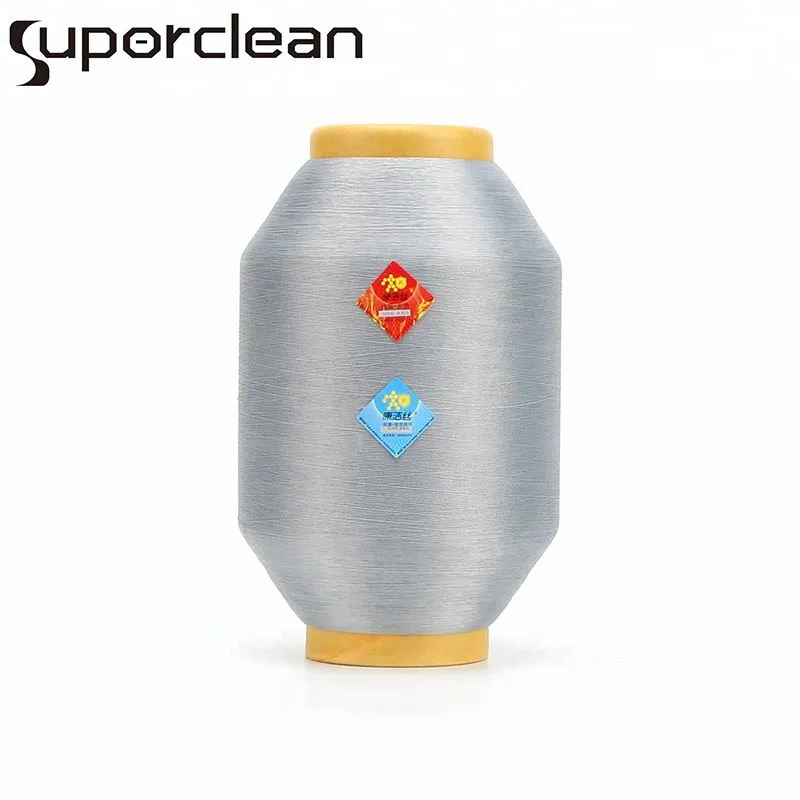
Waterproof yarn is engineered to resist water penetration. It is typically made through special manufacturing processes that involve coating or treating the fibers with water - repellent substances. These substances create a barrier on the surface of the yarn, preventing water from seeping into the fibers. There are different types of waterproof yarns available in the market, each with its own unique characteristics and performance levels.
For instance, Waterproof Yarn For Glove is designed with a focus on flexibility and dexterity while maintaining excellent waterproofing capabilities. This type of yarn is ideal for applications where hand movement is critical, such as in outdoor sports gloves. On the other hand, Waterproof Yarn 75D/2 For Shoe Uppers is stronger and more durable, making it suitable for the demanding conditions that shoe uppers face during outdoor activities.
Advantages of Using Waterproof Yarn in Outdoor Projects
1. Protection from the Elements
The most obvious advantage of waterproof yarn in outdoor projects is its ability to keep the user dry. Whether it's a sudden rain shower during a hiking trip or working in a wet environment, items made from waterproof yarn can prevent water from reaching the skin. This is not only important for comfort but also for preventing hypothermia in cold weather. For example, a tent made with waterproof yarn can provide a dry shelter, protecting campers from the rain and keeping their sleeping gear dry.
2. Durability
Outdoor environments are often harsh, with exposure to sunlight, abrasion, and various chemicals. Waterproof yarn is generally more durable than regular yarn. The water - repellent coating not only protects against water but also provides a certain degree of protection against UV rays and minor abrasions. This means that products made from waterproof yarn will last longer, reducing the need for frequent replacements. A backpack made with waterproof yarn can withstand the rigors of long - distance hiking, including rubbing against rocks and branches without easily wearing out.
3. Versatility
Waterproof yarn can be used in a wide range of outdoor projects. It can be knitted or woven into fabrics for clothing, such as jackets, pants, and hats. It can also be used to make accessories like scarves and gloves. In addition, it is suitable for non - clothing items such as tents, tarps, and backpacks. Stain Proof Waterproof Yarn takes this versatility a step further by also resisting stains, making it even more suitable for outdoor use where dirt and stains are common.
Real - World Applications of Waterproof Yarn in Outdoor Projects
1. Outdoor Clothing
Waterproof yarn is a game - changer in the outdoor clothing industry. Jackets and pants made from waterproof yarn offer superior protection against rain and snow. For example, a high - end waterproof hiking jacket made with this yarn can keep the hiker dry even in heavy downpours. The breathable nature of some waterproof yarns also allows sweat to escape, preventing the build - up of moisture inside the clothing, which can lead to discomfort.
2. Footwear
In the world of outdoor footwear, waterproof yarn is used in shoe uppers to keep feet dry. Hiking boots, in particular, benefit from this technology. The Waterproof Yarn 75D/2 For Shoe Uppers provides a strong and waterproof layer that can withstand the wet and muddy conditions of trails. This not only enhances the comfort of the wearer but also extends the lifespan of the shoes.
3. Shelter
Tents and tarps are essential for outdoor camping and other activities. Using waterproof yarn in the construction of these shelters ensures that they can withstand rain and other wet conditions. A tent made with waterproof yarn can keep campers dry and comfortable throughout the night, even in the most challenging weather.
Considerations When Using Waterproof Yarn for Outdoor Projects
While waterproof yarn offers many advantages, there are also some considerations to keep in mind.
1. Breathability
Some waterproof yarns may sacrifice breathability for water resistance. This can lead to a build - up of sweat inside the clothing or other items, causing discomfort. It is important to choose a waterproof yarn that strikes a good balance between water resistance and breathability. Look for products that are labeled as "breathable waterproof" to ensure a more comfortable experience.

2. Maintenance
Proper maintenance is required to keep the waterproof properties of the yarn intact. Over time, the water - repellent coating may wear off, reducing the yarn's ability to repel water. Regular cleaning and re - treating with a water - repellent spray can help maintain the waterproof performance of the products made from the yarn.
3. Cost
Waterproof yarn is generally more expensive than regular yarn. This is due to the additional manufacturing processes and materials used to make it waterproof. However, considering the long - term benefits in terms of durability and performance, the extra cost can be justified for high - quality outdoor projects.
Conclusion
In conclusion, waterproof yarn is an excellent choice for outdoor projects. Its ability to provide protection from the elements, durability, and versatility make it a valuable material in the outdoor industry. Whether you are a manufacturer looking to create high - quality outdoor products or an outdoor enthusiast in search of reliable gear, waterproof yarn can meet your needs.
As a supplier of waterproof yarn, I am committed to providing high - quality products that meet the strict requirements of outdoor applications. If you are interested in learning more about our waterproof yarns or would like to discuss potential procurement opportunities, please feel free to reach out. We are here to help you find the perfect solution for your outdoor projects.
References
- Outdoor Gear Lab. (2023). Review of Waterproof Fabrics for Outdoor Use.
- Textile Research Journal. (2022). Advances in Waterproof Yarn Technology.
- International Journal of Outdoor Recreation and Tourism. (2021). The Impact of Waterproof Gear on Outdoor Experiences.


