


Hey there! As a supplier of Air Covered Yarn, I've been in the business long enough to know that one of the most common questions we get from our customers is how to improve the strength of air covered yarn. In this blog post, I'm gonna share some tips and tricks that I've picked up over the years to help you get the most out of your air covered yarn.
First off, let's talk about what air covered yarn is. Air covered yarn is made by wrapping one or more filaments around a core yarn using compressed air. This process creates a yarn that's stronger, more durable, and has better elasticity than the core yarn alone. It's commonly used in a variety of applications, including denim weaving, sportswear, and lingerie.
Now, let's get into the tips on how to improve the strength of air covered yarn.
1. Choose the Right Core Yarn
The core yarn is the foundation of the air covered yarn, so it's important to choose the right one. The strength and quality of the core yarn will have a big impact on the final strength of the air covered yarn. For example, if you're making a yarn for denim weaving, you might want to choose a core yarn that's made of high-quality cotton or polyester. These materials are known for their strength and durability, which will help to improve the strength of the air covered yarn.
Check out our 40150 Air Covering Yarn For Weaving Denim, which is made with a carefully selected core yarn to ensure maximum strength and quality for your denim projects.
2. Optimize the Wrapping Process
The wrapping process is another key factor in determining the strength of the air covered yarn. There are a few things you can do to optimize this process. First, make sure the tension of the wrapping filaments is consistent. If the tension is too loose, the filaments won't be tightly wrapped around the core yarn, which can lead to a weaker yarn. On the other hand, if the tension is too tight, it can break the filaments or damage the core yarn.
You also want to ensure that the number of wrapping filaments is appropriate for the application. More filaments generally mean a stronger yarn, but there's a balance to be struck. Too many filaments can make the yarn too thick and stiff, which might not be suitable for some applications.
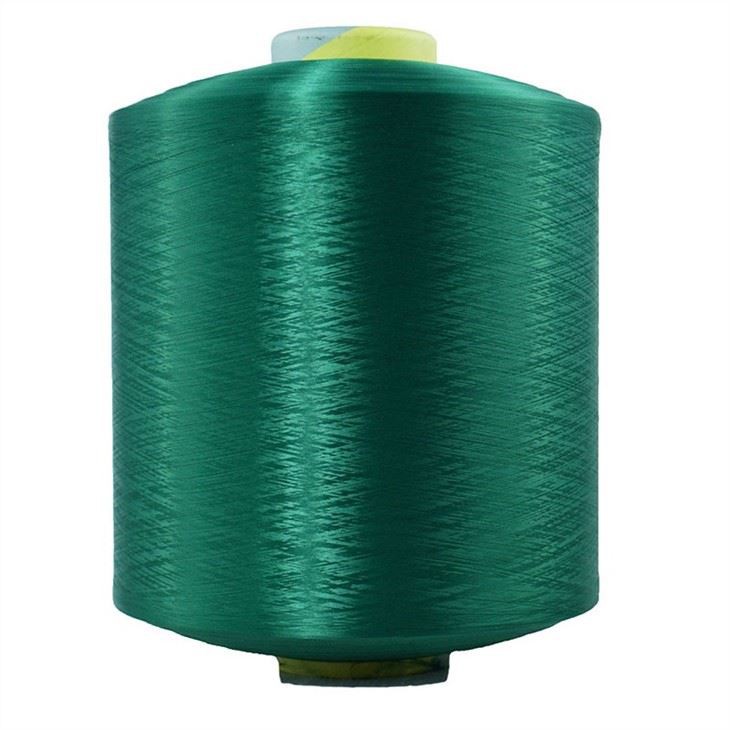

3. Use High - Quality Wrapping Filaments
The quality of the wrapping filaments also plays a crucial role in the strength of the air covered yarn. Just like with the core yarn, you want to choose filaments that are strong and durable. For example, spandex filaments are a popular choice for air covered yarn because they offer excellent elasticity and strength.
Our Spandex Air Covered Yarn uses top - quality spandex filaments to provide a strong and stretchy yarn that's perfect for sportswear and other applications where elasticity is important.
4. Control the Environmental Conditions
The environment in which the air covered yarn is produced can have an impact on its strength. Humidity and temperature are two important factors. High humidity can make the yarn more prone to stretching and can also affect the adhesion between the core yarn and the wrapping filaments. On the other hand, extremely dry conditions can make the yarn brittle.
It's best to maintain a stable environment with a relative humidity of around 60 - 70% and a temperature of around 20 - 25 degrees Celsius during the production process. This will help to ensure that the yarn maintains its strength and quality.
5. Conduct Quality Testing
Regular quality testing is essential to ensure that the air covered yarn meets the required strength standards. You can use various testing methods, such as tensile strength testing, to measure the strength of the yarn. By testing samples at different stages of the production process, you can identify any issues early on and make adjustments to improve the strength of the final product.
6. Consider Post - Treatment Processes
Post - treatment processes can also be used to enhance the strength of the air covered yarn. For example, heat treatment can be used to set the shape of the yarn and improve the adhesion between the core yarn and the wrapping filaments. Chemical treatments can also be applied to increase the yarn's resistance to abrasion and other forms of damage.
Our Acy Polyester Covered Yarn undergoes specific post - treatment processes to ensure its strength and durability, making it a great choice for a wide range of applications.
In conclusion, improving the strength of air covered yarn involves a combination of choosing the right materials, optimizing the production process, controlling the environment, and conducting quality testing. By following these tips, you can produce air covered yarn that is stronger, more durable, and better suited for your specific applications.
If you're interested in purchasing high - quality air covered yarn or have any questions about how to improve the strength of your yarn, feel free to get in touch with us. We're always happy to help you find the best solutions for your needs and ensure that you get the most out of our products.
References
- Textile Technology Handbook: A Comprehensive Guide to Yarn Production and Processing
- Journal of Textile Science and Engineering: Articles on Air Covered Yarn Manufacturing and Quality Improvement


