


As a supplier of antibacterial yarn, I understand the importance of proper storage to maintain the quality and functionality of our products. Antibacterial yarn is a specialized material that offers unique properties, and how you store it can significantly impact its performance over time. In this blog, I'll share some essential tips on how to store antibacterial yarn effectively.
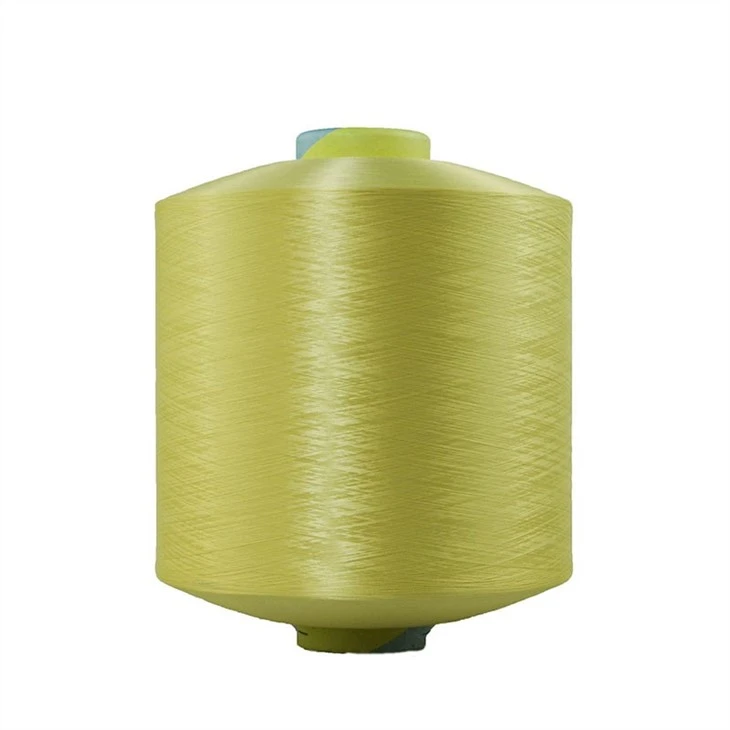

Understanding Antibacterial Yarn
Before delving into storage methods, it's crucial to understand what antibacterial yarn is. Antibacterial yarn is designed to inhibit the growth of bacteria, fungi, and other microorganisms. This type of yarn is commonly used in various applications, such as Resistant Yarn, Silver Antibacterial Yarn, and T Shirts Yarn. The antibacterial properties are achieved through different means, such as incorporating silver ions, natural antibacterial agents, or synthetic chemicals into the yarn during the manufacturing process.
Factors Affecting Antibacterial Yarn Storage
Several factors can affect the quality and antibacterial performance of the yarn during storage. These include:
Temperature
Extreme temperatures can have a detrimental effect on antibacterial yarn. High temperatures can cause the yarn to become brittle, lose its elasticity, and even degrade the antibacterial agents. On the other hand, very low temperatures can make the yarn stiff and more prone to breakage. It's recommended to store antibacterial yarn in a temperature - controlled environment, ideally between 18°C and 25°C (64°F and 77°F).
Humidity
Humidity is another critical factor. Excessive moisture can lead to the growth of mold and mildew on the yarn, which not only affects its appearance but also reduces its antibacterial effectiveness. Low humidity, on the other hand, can cause the yarn to dry out and become more static - prone. Aim for a relative humidity level between 40% and 60% in the storage area.
Light
Prolonged exposure to direct sunlight or strong artificial light can fade the color of the yarn and potentially break down the antibacterial components. Store the yarn in a dark or dimly lit area to protect it from light damage.
Chemical Exposure
Antibacterial yarn should be kept away from chemicals such as solvents, cleaning agents, and strong acids or bases. These substances can react with the yarn and its antibacterial agents, altering its properties and reducing its effectiveness.
Storage Methods
Use Airtight Containers
One of the best ways to store antibacterial yarn is in airtight containers. Plastic storage bins or sealed plastic bags can effectively protect the yarn from dust, moisture, and pests. Make sure to label the containers clearly with the type of yarn, color, and any other relevant information.
Shelving and Racks
If you have a large quantity of antibacterial yarn, consider using shelves or racks for storage. This allows for better organization and ventilation. Place the yarn on clean, dry shelves, and avoid overcrowding to prevent tangling and damage.
Hanging Storage
For some types of yarn, hanging storage can be a good option. Use hooks or hangers to hang skeins of yarn. This not only keeps the yarn organized but also prevents it from being compressed, which can help maintain its shape and integrity.
Separate Different Types of Yarn
It's important to separate different types of antibacterial yarn during storage. Different yarns may have different storage requirements, and mixing them can lead to cross - contamination or damage. For example, some yarns may be more sensitive to temperature or humidity than others.
Specific Considerations for Different Types of Antibacterial Yarn
Silver Antibacterial Yarn
Silver antibacterial yarn is highly effective in inhibiting the growth of bacteria. However, silver can react with sulfur in the air, causing the yarn to tarnish. To prevent this, store silver antibacterial yarn in airtight containers with anti - tarnish strips. These strips absorb sulfur and other contaminants, helping to keep the yarn in good condition.
Natural Antibacterial Yarn
Yarns made with natural antibacterial agents, such as bamboo or eucalyptus, are more environmentally friendly. These yarns may be more sensitive to moisture and pests. Make sure to store them in a dry area and consider using natural pest repellents, such as cedar chips, to keep insects away.
Synthetic Antibacterial Yarn
Synthetic antibacterial yarns are generally more durable than natural yarns. However, they can still be affected by heat and chemicals. Store synthetic antibacterial yarn in a cool, dry place away from direct sunlight and chemical sources.
Regular Inspection
Regularly inspect the stored antibacterial yarn to ensure its quality. Check for signs of mold, mildew, discoloration, or damage. If you notice any issues, take appropriate action immediately. For example, if you find mold on the yarn, remove the affected parts and transfer the remaining yarn to a clean, dry container.
Conclusion
Proper storage of antibacterial yarn is essential to maintain its quality, functionality, and appearance. By controlling temperature, humidity, light, and chemical exposure, and using appropriate storage methods, you can ensure that your antibacterial yarn remains in optimal condition for an extended period. Whether you're a small - scale crafter or a large - scale manufacturer, following these storage tips will help you get the most out of your antibacterial yarn.
If you're interested in purchasing high - quality antibacterial yarn for your projects, we're here to assist you. We offer a wide range of antibacterial yarns, including Resistant Yarn, Silver Antibacterial Yarn, and T Shirts Yarn. Contact us to discuss your specific requirements and start a procurement negotiation.
References
- Textile Research Journal, various issues on yarn storage and preservation.
- Handbook of Antibacterial Textiles, edited by leading textile scientists.


