


Is covered yarn easy to work with? This is a question that many textile enthusiasts, designers, and manufacturers often ponder. As a supplier of covered yarn, I've had the privilege of witnessing firsthand the versatility and ease of use that covered yarn brings to various projects. In this blog, I'll delve into the characteristics of covered yarn, its applications, and share insights on whether it's truly easy to work with.
Understanding Covered Yarn
Covered yarn is a type of yarn that consists of a core yarn wrapped with one or more outer layers of another yarn. This wrapping process can be done using different techniques, such as air covering, double covering, etc. The core yarn provides strength and stability, while the outer layer adds various properties like texture, color, and functionality.
There are different types of covered yarns available in the market, each with its unique features. For instance, Air Covered Nylon Seamless Yarn is known for its smoothness and seamless finish. It's often used in applications where a high - quality, uniform appearance is required, such as lingerie and swimwear. The air - covering process creates a yarn that is not only aesthetically pleasing but also has good elasticity and durability.
Another type is the Antibacterial Covered Yarn. This yarn is treated with antibacterial agents, making it suitable for products that come into contact with the skin, like socks and shoes. The antibacterial property helps to prevent the growth of bacteria and reduce odor, enhancing the comfort and hygiene of the end - product.
Ease of Use in Knitting and Crochet
One of the main aspects of determining whether covered yarn is easy to work with is its performance in knitting and crochet. In general, covered yarns are quite user - friendly for these crafts.
The outer layer of the covered yarn often provides a good grip, which makes it easier to handle the yarn while knitting or crocheting. This is especially beneficial for beginners who may struggle with slippery or fine yarns. For example, when using a covered yarn with a textured outer layer, the hooks or needles can easily catch the fibers, allowing for a more fluid and consistent stitch formation.
Moreover, covered yarns come in a wide range of thicknesses, from fine lace - weight to bulky. This variety gives knitters and crocheters the flexibility to choose the appropriate yarn for their project. Whether you're making a delicate shawl or a chunky blanket, there's a covered yarn that can meet your needs.
However, it's important to note that some covered yarns, especially those with a very fine core or a loose outer wrap, may require a bit more care. For instance, if the outer layer is too loosely wrapped, it may start to unravel during the knitting or crocheting process. But with a little practice and attention to detail, these issues can be easily overcome.
Weaving with Covered Yarn
Weaving is another area where covered yarn can be a great choice. When used as warp or weft in a weaving project, covered yarn can add unique visual and tactile elements to the fabric.
The strength of the core yarn in covered yarn makes it suitable for the warp, which is the set of yarns that run lengthwise in a woven fabric. It can withstand the tension and stress of the weaving process without breaking. The outer layer, on the other hand, can contribute to the overall look and feel of the fabric. For example, a covered yarn with a soft, fuzzy outer layer can create a plush and cozy fabric when used in a weaving project.
Weaving with covered yarn also allows for more creativity in terms of color and texture. You can mix and match different types of covered yarns to create interesting patterns and effects. For example, using a combination of a shiny metallic covered yarn and a matte cotton - covered yarn can result in a fabric with a striking contrast.
Industrial Applications
In industrial settings, covered yarn is widely used in the production of various products, such as automotive interiors, sportswear, and medical textiles. Its ease of use in these applications is a significant advantage.
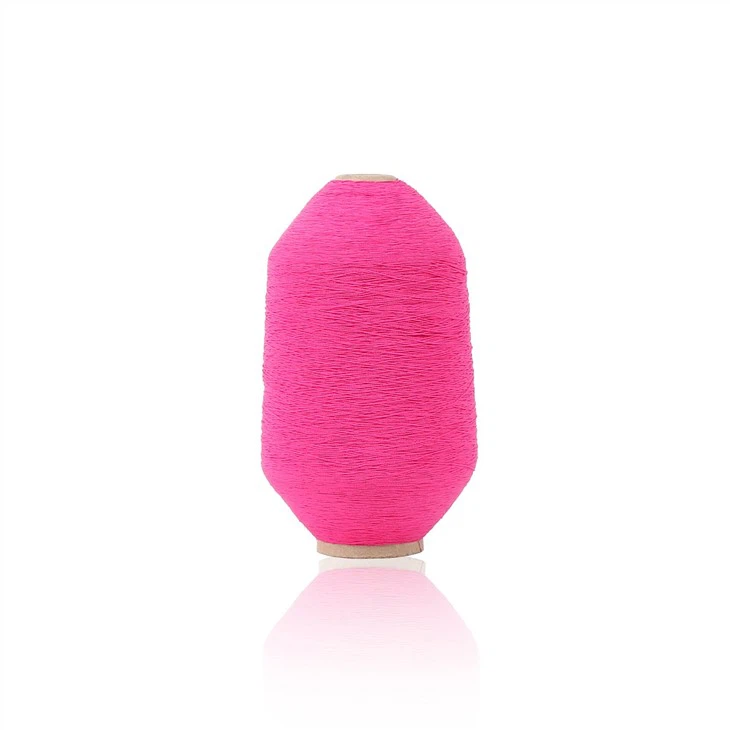
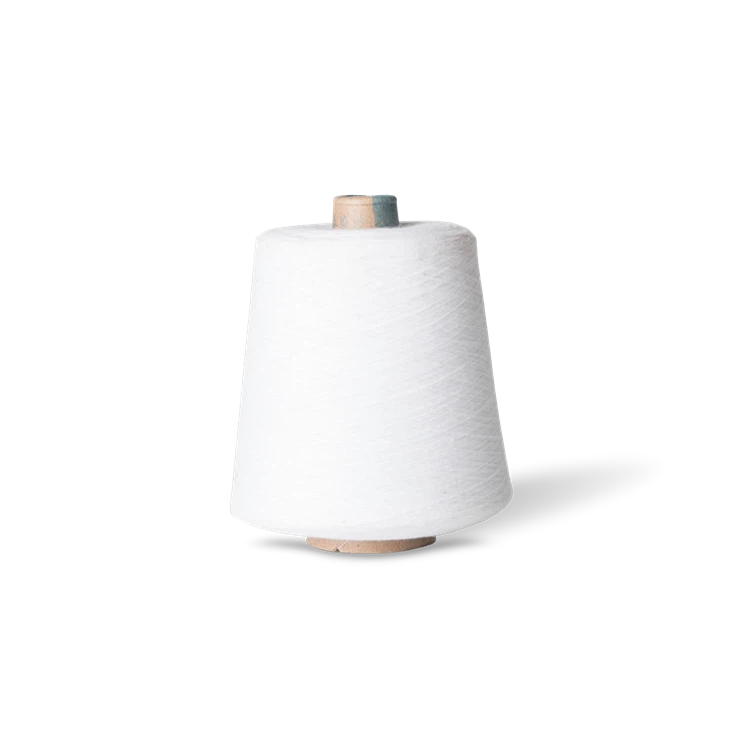
In the automotive industry, covered yarn is used for seat covers and upholstery. The yarn's durability and ability to hold its shape make it suitable for withstanding the wear and tear of daily use. The manufacturing process can be streamlined because covered yarns can be easily integrated into existing production lines.
For sportswear, covered yarns are often chosen for their stretchability and moisture - wicking properties. They can be knitted or woven into fabrics that provide comfort and flexibility during physical activities. The ease of working with covered yarn allows manufacturers to produce high - quality sportswear efficiently.
In the medical field, Heating Yarn Polyester 32S Yarn For Knitting Fabric is an example of a specialized covered yarn. It can be used to create heating pads and other medical textiles. The yarn's ability to generate heat while being easy to work with makes it a valuable material in this industry.
Challenges and Considerations
While covered yarn has many advantages in terms of ease of use, there are also some challenges and considerations.
One challenge is the potential for the outer layer to pill over time, especially in high - friction applications. This can affect the appearance of the final product. However, choosing a high - quality covered yarn with a well - bonded outer layer can minimize this issue.
Another consideration is the cost. Covered yarns can be more expensive than regular yarns due to the additional manufacturing process involved in wrapping the core yarn. But when considering the enhanced properties and performance that covered yarn offers, the cost may be justified for many projects.
Conclusion
In conclusion, covered yarn is generally easy to work with in a variety of applications, including knitting, crochet, weaving, and industrial manufacturing. Its unique structure provides a combination of strength, flexibility, and aesthetic appeal. Whether you're a hobbyist looking to create a beautiful handmade item or an industrial manufacturer seeking high - performance materials, covered yarn can be a great choice.
If you're interested in exploring the possibilities of covered yarn for your projects, I encourage you to reach out to discuss your specific needs. We offer a wide range of covered yarns, including Air Covered Nylon Seamless Yarn, Antibacterial Covered Yarn, and Heating Yarn Polyester 32S Yarn For Knitting Fabric. Let's start a conversation and see how we can work together to bring your ideas to life.
References
- Textile Technology Handbook: A comprehensive guide to textile materials and manufacturing processes.
- Journal of Textile Science and Engineering: Research articles on the properties and applications of different types of yarns.


