


As a leggings yarn supplier deeply entrenched in the textile industry, I've always been fascinated by the origin and evolution of leggings yarn. Understanding where this essential material comes from not only enriches our knowledge but also allows us to appreciate the craftsmanship and innovation behind the leggings we wear every day.
Early Beginnings of Yarn
The history of yarn dates back thousands of years. In ancient times, people used natural materials like animal hair, plant fibers, and even human hair to create primitive forms of yarn. For example, the Egyptians were known to spin flax fibers into yarn as early as 5000 BC. Flax, a plant with long, strong fibers, was ideal for making linen yarn, which was used to create clothing, including early forms of leg coverings.
Moving forward in time, wool became a popular choice for yarn production. Sheep were domesticated, and their wool was sheared, cleaned, and spun into yarn. Wool yarn was warm, durable, and could be easily dyed, making it suitable for a variety of garments, including leggings. In colder regions, wool leggings provided essential protection against the harsh elements.
The Industrial Revolution and Yarn Production
The Industrial Revolution in the 18th and 19th centuries brought about significant changes in yarn production. The invention of the spinning jenny, water frame, and spinning mule revolutionized the way yarn was made. These machines allowed for mass production of yarn, making it more accessible and affordable.
During this period, cotton also emerged as a dominant fiber for yarn production. Cotton fibers are soft, breathable, and absorbent, making them perfect for clothing. The development of the cotton gin, which separated the cotton fibers from the seeds, further increased the efficiency of cotton yarn production.
The Emergence of Synthetic Fibers
The 20th century witnessed the rise of synthetic fibers, which had a profound impact on the leggings yarn industry. Nylon, invented in 1935, was the first synthetic fiber to be commercially produced. Nylon yarn is strong, elastic, and resistant to abrasion, making it an excellent choice for leggings. It quickly gained popularity in the fashion industry, especially for women's hosiery and leggings.
Another significant synthetic fiber is polyester. Polyester yarn is lightweight, wrinkle-resistant, and easy to care for. It also has good moisture-wicking properties, which make it suitable for activewear leggings. Polyester can be blended with other fibers, such as cotton or spandex, to enhance its performance.
The Role of Spandex in Leggings Yarn
Spandex, also known as elastane or Lycra, is a revolutionary synthetic fiber that has transformed the leggings industry. Invented in 1959, spandex is incredibly stretchy and can recover its original shape after being stretched. This makes it ideal for creating form-fitting leggings that provide a comfortable and flexible fit.
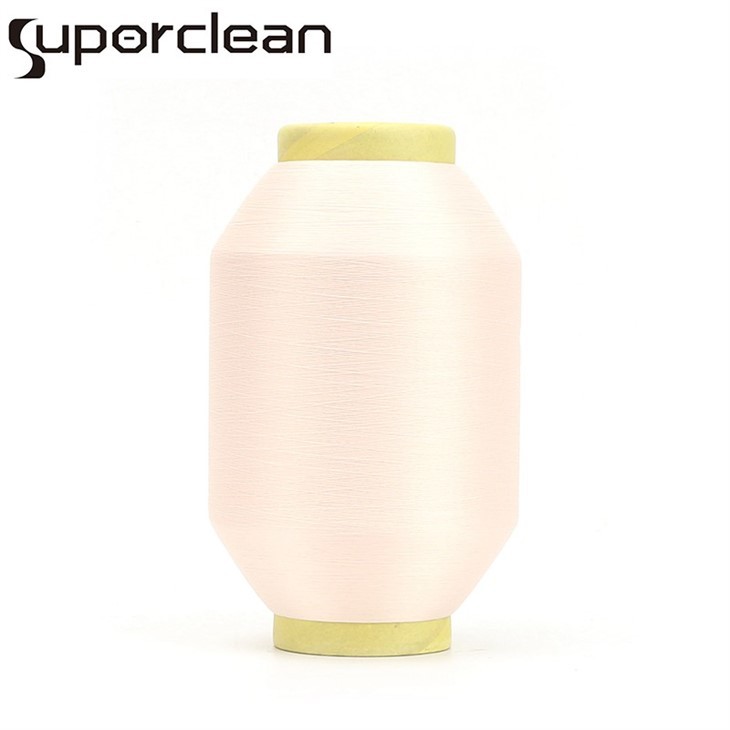

When spandex is blended with other fibers, such as cotton or polyester, it adds stretch and elasticity to the yarn. This allows leggings to move with the body, providing freedom of movement and a snug fit. Spandex also helps to prevent sagging and bagging, ensuring that leggings maintain their shape over time.
Modern Yarn Production Techniques
Today, yarn production is a highly sophisticated process that combines advanced technology with traditional craftsmanship. Modern spinning mills use state-of-the-art equipment to produce high-quality leggings yarn. These machines can spin fibers at high speeds, ensuring consistent quality and production efficiency.
One of the key techniques used in modern yarn production is covering. Covered yarn is created by wrapping a core yarn, such as spandex, with another fiber, such as nylon or polyester. This process enhances the strength, durability, and appearance of the yarn. For example, Elastic 7075 Elastic Tapes Covered Yarn is a type of covered yarn that offers excellent elasticity and stretch recovery.
Another important technique is twisting. Twisting the yarn helps to improve its strength and stability. Different types of twists can be used to create yarns with different properties, such as softness, smoothness, or bulkiness. Machine Covered Yarn is often twisted to enhance its performance and appearance.
The Future of Leggings Yarn
As technology continues to advance, the future of leggings yarn looks promising. We can expect to see the development of new fibers and materials that offer even better performance, comfort, and sustainability. For example, there is a growing interest in using recycled fibers and biodegradable materials in yarn production.
In addition, the demand for smart textiles is on the rise. Smart leggings yarn could incorporate sensors and other technologies to monitor health, track activity, and provide feedback to the wearer. This could open up new opportunities for the leggings industry, especially in the fitness and wellness sectors.
Conclusion
The origin of leggings yarn is a rich and fascinating story that spans thousands of years. From the early use of natural fibers to the development of synthetic materials and modern production techniques, the evolution of leggings yarn has been driven by innovation and the need for comfort and performance.
As a leggings yarn supplier, I am proud to be part of this industry and to contribute to the creation of high-quality yarns that meet the needs of our customers. Whether you are a fashion designer, a sportswear manufacturer, or a retailer, we offer a wide range of leggings yarns, including Covered Elastic Yarn, to suit your specific requirements.
If you are interested in learning more about our leggings yarn products or would like to discuss your procurement needs, please feel free to reach out. We are always happy to engage in discussions and look forward to the possibility of working with you to bring your ideas to life.
References
- "A History of Textiles" by David Jenkins
- "The Oxford Handbook of Textile Studies" edited by Joanne Eicher
- "Textile Fibers: Natural and Man-Made" by H. Peter Stein


