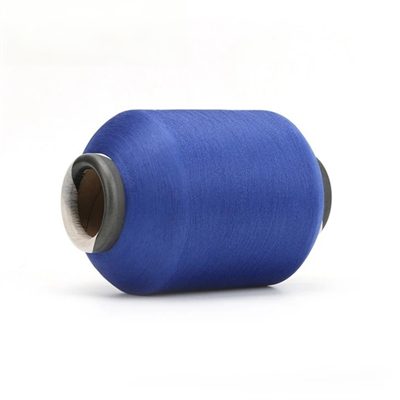

Air Covered Yarn for Stretch Webbing can be considered for elastic narrow fabrics used in apparel and other textile products. The appropriate yarn specification depends on the required stretch, webbing construction, and end-use conditions.
- Garment Waistbands: Suitable specifications can be selected for elastic waistbands used in trousers, skirts, underwear, and other apparel where stretch and fit are important.
- Elastic Shoulder Straps: Yarn selection can support the production of narrow elastic straps for garments, depending on the required flexibility, structure, and load-bearing performance.
- Stretch Binding & Narrow Fabrics: Air covered yarn may be used in suitable elastic tapes and narrow fabric constructions that require controlled extensibility and a consistent textile structure.
- Custom Elastic Textile Components: For specialized webbing applications, manufacturers can assess yarn compatibility according to product design, weaving equipment, and required fabric performance.

Weaving Compatibility & Processing Performance

Air Covered Yarn for Stretch Webbing can be evaluated for narrow fabric production where consistent yarn feeding and controlled weaving conditions are important. Selecting the appropriate yarn specifications helps webbing manufacturers match material characteristics with their equipment and production requirements.
- Yarn Feeding & Tension Control: Consistent unwinding and suitable yarn tension help maintain stable material delivery during weaving, supporting smoother production.
- Weaving Structure Compatibility: Yarn linear density, elasticity, and filament characteristics should match the intended webbing structure, width, and construction requirements.
- Fabric Formation & Uniformity: Appropriate yarn selection and machine settings help manufacturers achieve consistent webbing appearance and construction across production runs.
- Production Process Adaptation: Trial weaving allows manufacturers to evaluate yarn behavior, adjust machine parameters, and confirm suitability before moving to bulk production.
Customization Options
Yarn Count Selection:
Select an appropriate linear density based on the target webbing construction, fabric thickness, and weaving requirements.
Material Composition:
Discuss suitable elastic core and covering filament options according to the required yarn properties and intended application.
Elasticity Requirements:
Define the target stretch and recovery behavior so yarn specifications can be evaluated against the performance needs of the finished webbing.
FAQ
What is the difference between air covered yarn and spandex yarn for elastic webbing?
Spandex yarn is an elastic yarn material, while air covered yarn is a yarn structure typically produced by interlacing filament yarn with an elastic core using compressed air. Air covered yarn combines the characteristics of its component materials and can be considered when a webbing manufacturer requires specific surface or processing properties.
How does air covered yarn affect the hand feel of elastic webbing?
The covering filament, yarn fineness, and webbing construction influence the surface texture and flexibility of the finished tape. Selecting suitable yarn specifications helps manufacturers achieve the desired balance between softness, structure, and stretch.
Can air covered yarn be used in narrow elastic tapes with different thicknesses?
Potentially, yes. The appropriate yarn specification depends on the required tape thickness, weaving structure, machine setup, and target fabric density. Sample weaving is recommended to confirm that the yarn meets the intended construction requirements.
Hot Tags: air covered yarn for stretch webbing, China, suppliers, manufacturers, factory, wholesale, cheap, Colored Rubber Thread Yarn 907575, graduation yarn, knitting yarn, Machine Covered Elastic Spandex Yarn, stock yarn, warm yarn