

Nylon yarn, covered yarn and elastic yarn are used across different hosiery constructions, from everyday socks to stretch and compression hosiery. Yarn selection varies according to the required elasticity, recovery, abrasion resistance, hand feel and knitting structure.
- Everyday Socks
Nylon yarn and covered yarn can be used in casual and daily socks where a balance of durability, stretch and wearing comfort is required.
- Sports & Athletic Socks
Sports socks require yarn structures that can accommodate repeated stretching and movement. Nylon yarn combined with elastic or covered yarn can support stretch, recovery and abrasion resistance in knitted constructions.
- Compression Hosiery
Compression socks and stockings require controlled elasticity and recovery to form the intended compression structure. Elastic yarn and covered yarn can be selected according to the required stretch level and knitting construction.
- Seamless & Stretch Hosiery
Covered yarn and elastic yarn can be incorporated into seamless and stretch knitted products where close fit, flexibility and dimensional recovery are required.
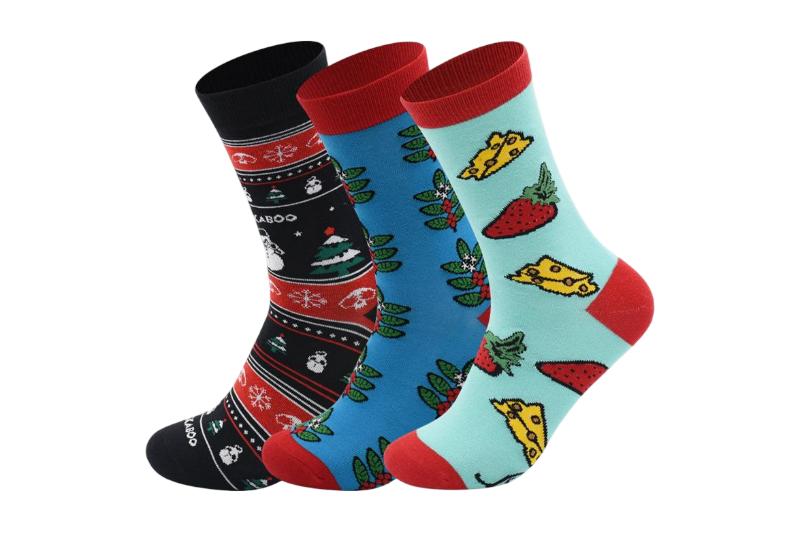
Yarn Requirements for Hosiery & Socks
Hosiery yarn needs to match the mechanical, tactile and knitting requirements of the finished product. Yarn selection can involve elasticity, recovery, strength, surface characteristics, dimensional stability and knitting compatibility.
Stretch & Recovery
Elastic yarn and covered yarn provide controlled stretch and recovery for socks that need to accommodate foot movement while returning toward their original dimensions after stretching.
Abrasion Resistance
Sock yarns are exposed to repeated friction during wearing and washing. Nylon yarn can be selected for constructions where resistance to surface wear and repeated use is required.
Softness & Surface Feel
For hosiery that remains in direct contact with the skin, filament configuration and yarn surface characteristics can influence the hand feel of the finished knitted fabric.
Tensile Strength & Elongation
Yarn tensile strength and elongation affect how the yarn responds to knitting, stretching and repeated loading. These properties need to correspond with the structure and performance requirements of the finished hosiery.
Dimensional Stability
The combination of yarn elasticity and recovery influences the ability of knitted hosiery to maintain its intended dimensions after stretching, washing and repeated use.
Knitting Performance
Yarn count, filament configuration, covering structure and elastic properties need to correspond with the knitting machine, gauge and fabric construction to support stable yarn feeding and consistent knitted output.
Yarn Selection for Different Hosiery Structures
Different hosiery constructions place different demands on yarn performance. The appropriate yarn type depends on the finished product, knitting structure, required stretch and the position of the yarn within the fabric.
| Hosiery Structure | Suitable Yarn Types | Key Selection Considerations |
|---|---|---|
| Everyday Socks | Nylon Yarn, Covered Yarn | Durability, softness, stretch and knitting performance |
| Sports Socks | Nylon Yarn, Elastic Yarn, Covered Yarn | Stretch, recovery, abrasion resistance and repeated movement |
| Compression Socks | Elastic Yarn, Covered Yarn | Controlled elasticity, recovery and compression structure |
| Seamless Hosiery | Covered Yarn, Nylon Yarn | Stretch, flexibility, yarn feeding and knitted structure |
| Fine Hosiery | Nylon Yarn, Covered Yarn | Yarn fineness, surface appearance, softness and dimensional control |
| Elasticated Sock Sections | Rubber Yarn, Covered Yarn | Elasticity, recovery and localized stretch |