

Yarn Applications for Elastic Fabrics & Narrow Textiles
Kangjiesi provides nylon yarn, covered yarn and rubber yarn for elastic fabrics, woven webbing, knitted elastic bands and narrow textile products. Different yarn constructions support controlled stretch, elastic recovery, abrasion resistance and stable processing, helping textile manufacturers meet the performance requirements of different fabric structures and production processes.
- Elasticity & Recovery - Supports repeated stretching and recovery in elastic webbing, tapes and stretch fabrics.
- Tensile Strength & Abrasion Resistance - Helps meet mechanical demands during textile processing and repeated use.
- Weaving & Knitting Compatibility - Yarn specifications can be matched to machine settings, fabric structures and production requirements.
- Custom Yarn Specifications - Yarn count, material, covering structure and other parameters can be tailored to the target application.
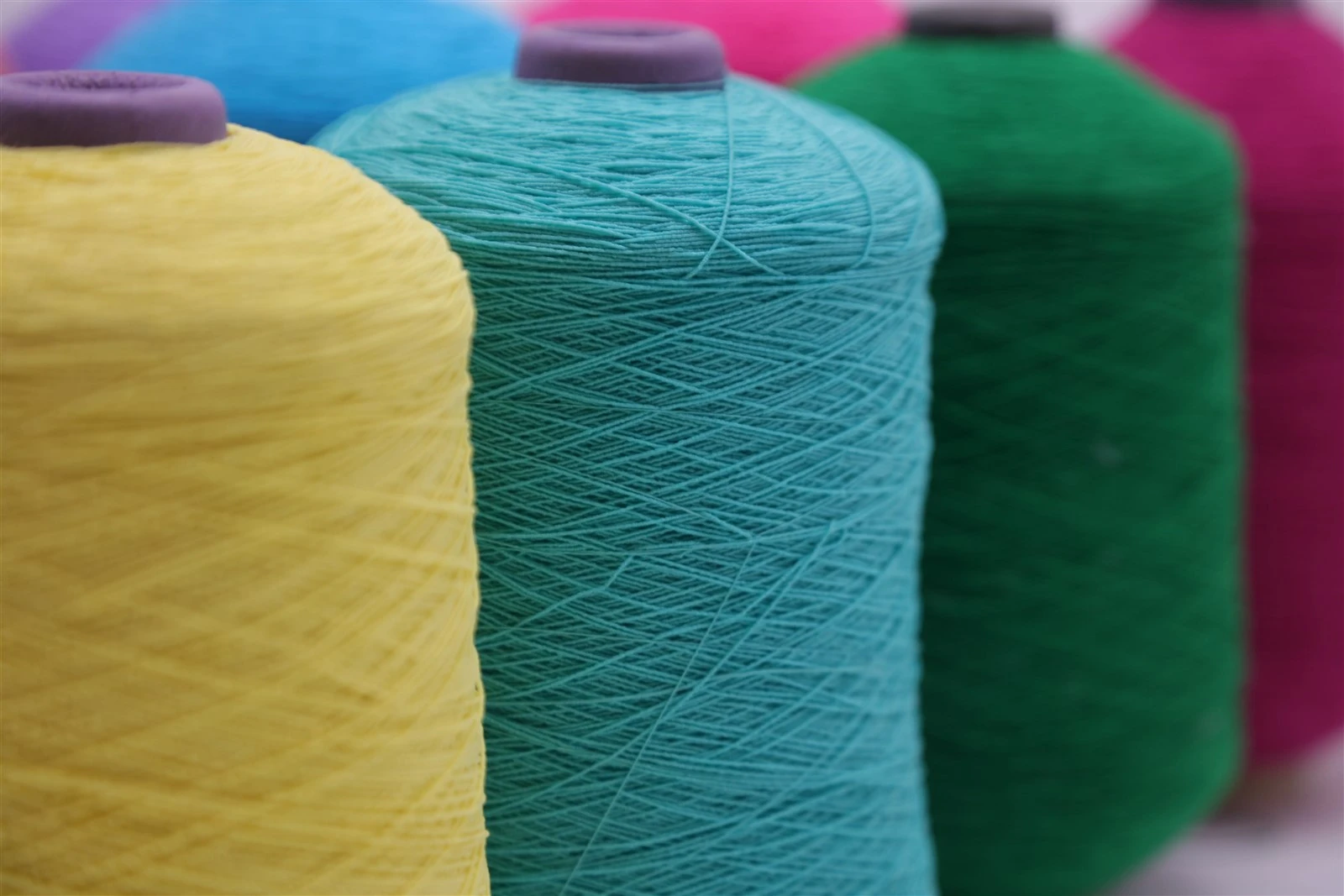

Elastic Fabrics & Narrow Textile Applications
Kangjiesi yarns support different elastic fabric and narrow textile constructions, with yarn selection based on fabric structure, stretch requirements and production methods.
- Elastic Webbing
Nylon yarn, covered yarn and rubber yarn can be selected for woven elastic webbing, where tensile strength, elongation and recovery influence the finished webbing's performance.
- Woven Elastic Tapes
Yarn selection considers warp and weft arrangement, weaving tension and width requirements to help maintain consistent tape structure and dimensional stability.
- Knitted Elastic Bands
Covered yarn and rubber yarn provide options for knitted bands requiring repeated stretch, elastic recovery and compatibility with specific knitting structures.
- Stretch Fabrics
Nylon yarn and covered yarn can be selected according to fabric weight, surface feel and elongation requirements for flexible knitted or woven textiles.
Yarn Selection for Different Narrow Textile Structures
Different narrow textile structures require specific yarn properties to achieve the desired elasticity, strength and dimensional stability. Kangjiesi offers nylon yarn, covered yarn and rubber yarn options that can be matched to weaving or knitting methods and finished textile requirements.
|
Textile Application |
Recommended Yarn Types |
Key Selection Factors |
|---|---|---|
|
Elastic Webbing |
Covered Yarn, Rubber Yarn, Nylon Yarn |
Stretch, elastic recovery, tensile strength |
|
Woven Elastic Tapes |
Rubber Yarn, Covered Yarn, Nylon Yarn |
Warp and weft compatibility, elongation, dimensional stability |
|
Knitted Elastic Bands |
Covered Yarn, Rubber Yarn |
Elasticity, recovery, knitting compatibility |
|
Stretch Fabrics |
Covered Yarn, Nylon Yarn |
Flexibility, surface feel, elongation |
|
Binding Tapes |
Nylon Yarn, Covered Yarn |
Abrasion resistance, edge stability, fabric structure |
|
Reinforced Narrow Fabrics |
Nylon Yarn, Covered Yarn |
Tensile strength, wear resistance, structural stability |
Custom Yarn Specifications for Elastic Textile Production
Kangjiesi provides customized yarn specifications for elastic webbing, woven tapes, knitted elastic bands and stretch fabrics. Buyers can define yarn parameters according to their textile structure, production equipment and required stretch and recovery performance.
Yarn Count & Material
Select suitable yarn counts and materials, including nylon and other available yarn options, based on fabric weight, strength requirements and processing conditions.
Covering Structure & Ratio
Customize single or double covering structures and covering ratios to match the required yarn characteristics and textile construction.
Stretch & Elastic Recovery
Specify target elongation and recovery requirements according to the finished textile's intended function and production needs.
Filament Specifications
Adjust filament specifications to suit requirements for yarn strength, surface characteristics and fabric hand feel.
Color & Winding Package
Specify yarn color, package format and winding requirements to support factory handling and machine feeding.