

Yarn Applications for Medical & Compression Textiles
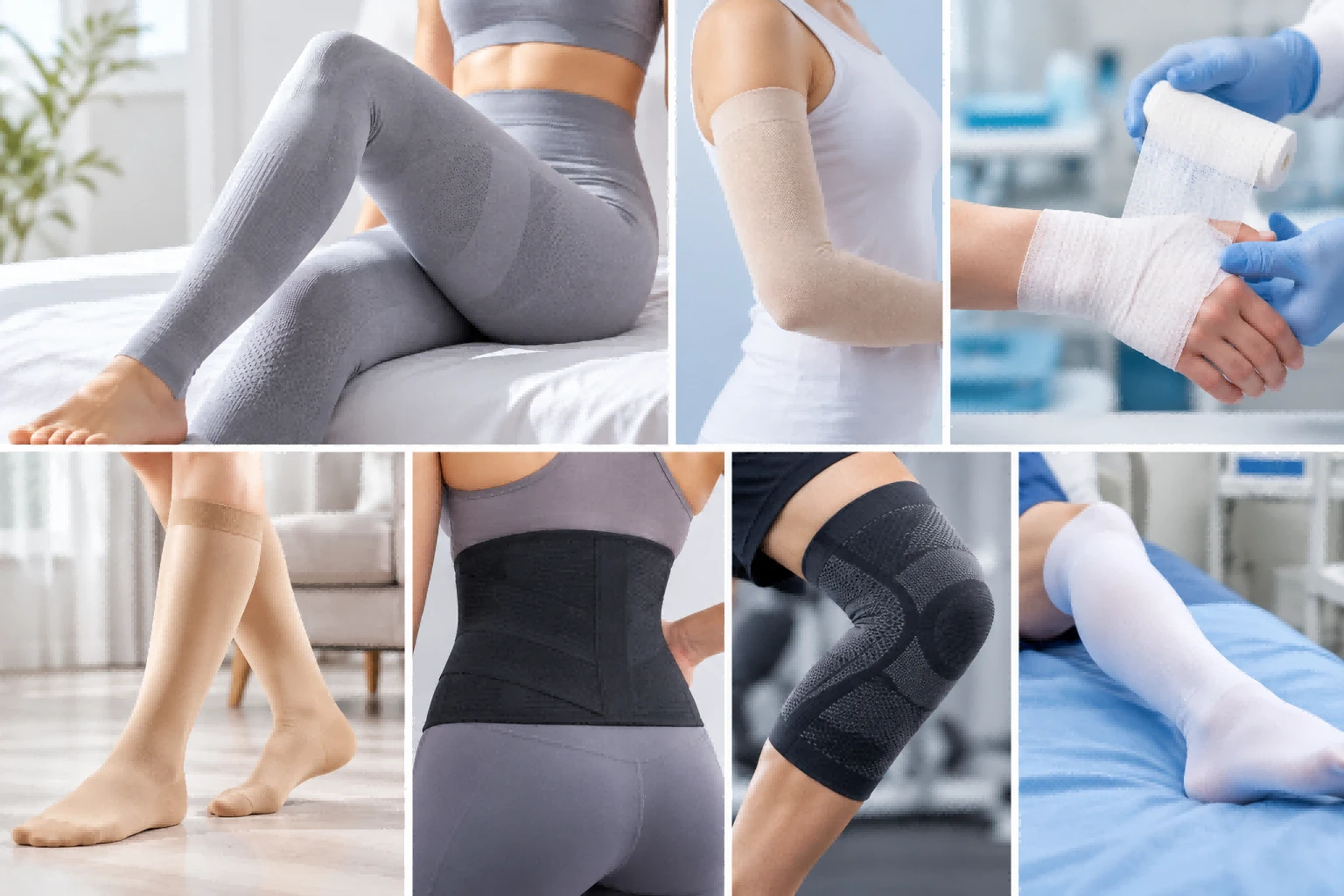
Kangjiesi supplies nylon yarn, covered yarn and elastic yarn for medical and compression textile applications, including compression hosiery, elastic medical bandages and compression garments. Yarn selection can be tailored to the required stretch, elastic recovery, tensile performance and knitting or weaving structure to meet different textile manufacturing requirements.
- Compression Hosiery - Yarn for elastic stockings and compression socks.
- Elastic Medical Bandages - Yarn options for stretchable bandage structures.
- Compression Garments - Yarn for knitted garments requiring controlled elasticity and recovery.
- Medical Stretch Textiles - Yarn for textile structures requiring flexibility and dimensional stability.
Yarn Selection for Different Medical Textile Structures
|
Medical Textile Application |
Recommended Yarn Types |
Key Selection Factors |
|---|---|---|
|
Compression Hosiery |
Covered Yarn, Elastic Yarn, Nylon Yarn |
Elastic recovery, stretch control, knitting compatibility |
|
Elastic Medical Bandages |
Rubber Yarn, Covered Yarn |
Elongation, recovery, tensile strength |
|
Compression Garments |
Covered Yarn, Elastic Yarn, Nylon Yarn |
Stretch, dimensional stability, fabric construction |
|
Medical Stretch Fabrics |
Covered Yarn, Elastic Yarn, Nylon Yarn |
Flexibility, elastic recovery, surface characteristics |
|
Elastic Support Components |
Rubber Yarn, Covered Yarn |
Localized elasticity, recovery, structural requirements |
Yarn Requirements for Medical & Compression Textiles
Stretch & Recovery
Yarn elasticity and recovery affect how compression hosiery, elastic bandages and stretch garments respond to repeated extension.
Tensile Strength & Elongation
Yarn strength and elongation influence its ability to withstand tension during knitting, weaving and subsequent textile processing.
Dimensional Stability
Consistent yarn properties help control fabric dimensions and reduce unwanted deformation during processing and use.
Elasticity Under Repeated Loading
For textiles exposed to repeated stretching, yarn should maintain suitable elastic recovery over repeated extension cycles.
Skin Contact & Surface Feel
Filament configuration, yarn construction and surface characteristics influence fabric softness and the feel of the finished textile against the skin.
Processing Compatibility
Yarn count, covering structure, package winding and feeding tension should match the knitting or weaving equipment to support stable production and consistent fabric construction.