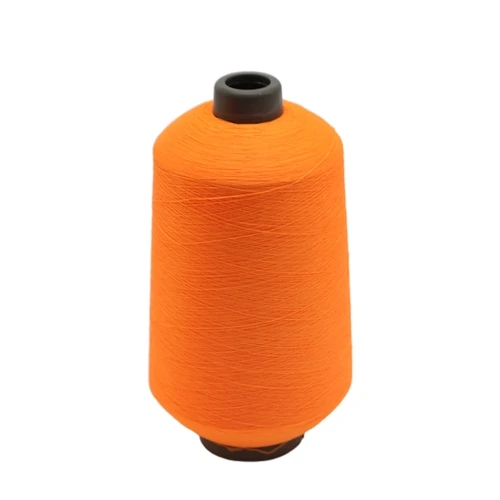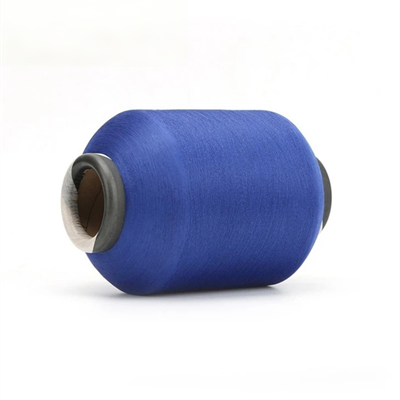

Choose High-Quality Raw Materials for Better Rubber Yarn Performance
The durability of Rubber Yarn begins with the quality of its raw materials. Whether the yarn is used in hosiery, seamless garments, elastic bands, sportswear, or medical textiles, the rubber core must provide consistent elasticity and long-term recovery under repeated stretching.
High-quality natural latex or synthetic rubber compounds help improve tensile strength, fatigue resistance, and aging performance. At the same time, selecting suitable covering materials, such as nylon or polyester, protects the rubber core from abrasion during knitting and daily use.
For textile manufacturers, investing in premium raw materials reduces the risk of premature yarn failure and helps improve the service life of finished fabrics.
Optimize Yarn Structure to Improve Fatigue Resistance
The internal structure of Rubber Yarn directly influences how well it withstands repeated stretching and recovery. During textile production and daily wear, elastic yarn is subjected to thousands of extension cycles. A poorly designed yarn structure may gradually lose elasticity or develop permanent deformation.
Several structural factors contribute to durability, including:
- Uniform rubber core diameter
- Stable covering tension
- Balanced yarn construction
- Proper twist control
- Even filament distribution
A well-designed Rubber Yarn maintains its elasticity even after long-term use, making it suitable for demanding applications such as compression garments, sportswear, and elastic tapes.
Select the Right Rubber Yarn Specification
Different textile products require different levels of elasticity and durability. Selecting the appropriate Rubber Yarn specification ensures the fabric performs as intended while avoiding unnecessary production costs.
Manufacturers should evaluate:
- Rubber yarn count
- Elongation percentage
- Tensile strength
- Covering material
- Yarn diameter
- Stretch recovery
- Knitting compatibility
For example, lightweight garments often require finer yarns with excellent flexibility, while elastic bands and industrial textiles require stronger yarns capable of maintaining higher tension over extended periods.
Working with an experienced Rubber Yarn Manufacturer helps buyers identify the most suitable specifications based on their production requirements.
Improve Durability Through Stable Knitting Conditions
Even high-quality Rubber Yarn can experience reduced durability if knitting conditions are not properly controlled.
Stable production parameters help minimize unnecessary stress on the elastic yarn during manufacturing.
Recommended production practices include:
- Maintaining consistent yarn feeding tension
- Adjusting machine speed appropriately
- Preventing excessive stretching during knitting
- Regular machine maintenance
- Proper needle selection
- Stable environmental temperature and humidity
Controlling these variables helps reduce yarn breakage while maintaining consistent elasticity throughout the finished fabric.
For textile factories operating high-speed knitting equipment, production stability is equally important as yarn quality.
Protect Rubber Yarn During Dyeing and Finishing
Fabric finishing processes have a significant impact on the long-term durability of Rubber Yarn.
High temperatures, aggressive chemicals, or excessive mechanical treatment may damage the elastic core and reduce recovery performance.
To maintain elastic properties, manufacturers should pay attention to:
- Appropriate dyeing temperatures
- Chemical compatibility
- Controlled drying conditions
- Proper finishing pressure
- Gentle washing procedures
Carefully optimized finishing processes help preserve yarn elasticity while improving the appearance and dimensional stability of finished fabrics.
This is particularly important for seamless garments, sportswear, hosiery, and elastic support products that require long-lasting stretch performance.
Match Rubber Yarn to Different Textile Applications
Selecting Rubber Yarn according to the final product helps maximize durability and overall fabric performance.
| Application | Recommended Rubber Yarn Characteristics |
|---|---|
| Hosiery | High abrasion resistance, stable recovery, soft elasticity |
| Sportswear | Excellent fatigue resistance, lightweight stretch, long-term flexibility |
| Seamless Garments | Uniform tension, smooth knitting, consistent recovery |
| Elastic Bands | High tensile strength, controlled elongation, durable elasticity |
| Shoe Uppers | Shape stability, flexibility, repeated stretch resistance |
| Compression Garments | Strong support, balanced recovery, long service life |
Proper application matching reduces unnecessary material stress while extending the useful life of the finished textile products.
Establish Strict Quality Control Throughout Production
Durability depends not only on material selection but also on manufacturing consistency. Rubber Yarn with unstable quality may show significant differences in elasticity between production batches, affecting both fabric appearance and product performance.
Professional quality control typically includes:
- Raw material inspection
- Diameter consistency testing
- Tensile strength testing
- Elongation measurement
- Elastic recovery testing
- Appearance inspection
- Batch consistency verification
These inspection procedures help ensure every production batch delivers reliable performance for large-scale textile manufacturing.
Consistent quality also allows garment manufacturers and fabric mills to reduce production defects and improve customer satisfaction.
Partner with a Reliable Rubber Yarn Manufacturer
Long-term fabric durability depends on selecting a supplier with strong manufacturing capabilities and consistent quality management. An experienced Rubber Yarn Manufacturer provides more than just yarn-it also offers technical support, customized specifications, and stable supply for continuous production.
As a professional manufacturer of Rubber Yarn, Kangjiesi supplies high-quality elastic yarn solutions for textile manufacturers, wholesalers, and apparel brands worldwide. Its product portfolio includes Rubber Yarn, Covered Yarn, Single Covered Yarn, Double Covered Yarn, Air Covered Yarn, Nylon Yarn, and Spun Yarn, supporting applications such as hosiery, sportswear, seamless garments, shoe uppers, elastic bands, and compression textiles. With advanced production equipment, strict quality inspection, flexible OEM customization, and reliable production capacity, Kangjiesi helps customers improve Rubber Yarn durability while ensuring consistent performance across every production batch.