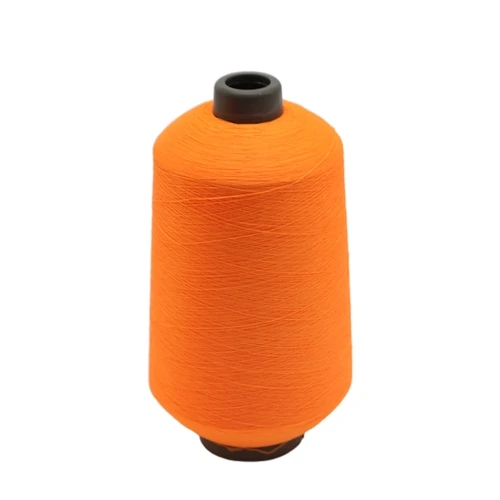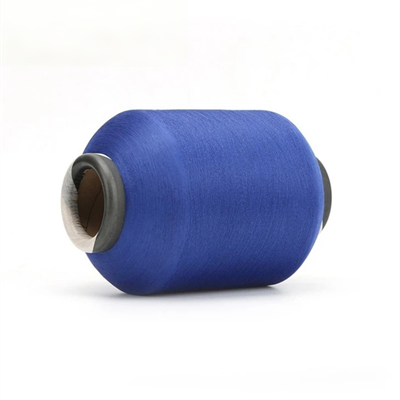

Understanding the Role of Rubber Yarn in Stretch Fabric Production
The stretch performance of textile products is strongly influenced by the characteristics of the Rubber Yarn used during manufacturing. Whether applied in hosiery, elastic bands, seamless garments, sportswear, shoe uppers, or functional textiles, Rubber Yarn provides the elastic force required for fabric extension and recovery.
Unlike conventional filament yarns, Rubber Yarn contains an elastic rubber core that allows the fabric to stretch under external force and return to its original shape after release. However, the final stretch performance is not determined by elasticity alone. Factors such as raw material quality, yarn structure, elongation rate, covering process, production tension, and application requirements all influence the performance of the finished fabric.
For textile manufacturers, understanding these factors helps improve product consistency, reduce production issues, and select the most suitable elastic yarn solution.
Rubber Material Quality Determines Basic Stretch Performance
The elastic core is the most important component that determines the stretch capability of Rubber Yarn. The quality and formulation of rubber materials directly affect elongation, recovery, fatigue resistance, and service life.
High-performance rubber materials provide:
Stable elastic recovery
Consistent elongation
Better resistance to repeated stretching
Reduced permanent deformation
Longer product lifespan
During daily use, textile products such as socks, sportswear, and compression garments experience continuous stretching cycles. If the rubber core cannot maintain stable recovery, the fabric may gradually lose its original shape.
For this reason, professional Rubber Yarn Manufacturers focus on controlling raw material properties to ensure consistent stretch performance between different production batches.
Rubber Yarn Elongation Affects Fabric Stretch Level
Elongation is one of the key indicators used to evaluate Rubber Yarn performance. It refers to how much the yarn can extend under tension before reaching its limit.
Different applications require different elongation levels.
For example:
Hosiery requires comfortable stretch and repeated recovery
Sportswear requires flexible movement and long-term elasticity
Compression garments require controlled stretch and stronger support
Elastic bands require higher tensile performance
A higher elongation rate allows greater fabric extension, while controlled elongation helps maintain support and shape stability.
Selecting the correct Rubber Yarn specification according to the final application prevents problems such as excessive looseness, insufficient stretch, or fabric deformation.
Yarn Structure Influences Elastic Recovery
The structure of Rubber Yarn affects how efficiently the yarn transfers elastic force to the finished fabric.
Important structural factors include:
Rubber core diameter
Covering material
Covering uniformity
Yarn thickness
Filament arrangement
Surface protection
A stable yarn structure allows the rubber core to work effectively while reducing damage caused by friction during knitting and use.
In many textile applications, Rubber Yarn is combined with nylon or polyester covering materials. The outer filament layer protects the elastic core and improves yarn processing performance while contributing additional properties such as softness, abrasion resistance, and durability.
Covering Material Affects Stretch Balance and Durability
The covering material around the rubber core plays an important role in determining the balance between stretch, comfort, and durability.
Nylon Covered Rubber Yarn
Nylon provides:
Soft hand feel
Excellent abrasion resistance
Good flexibility
Smooth knitting performance
It is commonly used in:
Hosiery
Seamless garments
Sportswear
Shoe upper fabrics
Polyester Covered Rubber Yarn
Polyester offers:
Better dimensional stability
Good strength retention
Stable fabric appearance
Cost efficiency
It is suitable for:
Elastic fabrics
General apparel
Industrial textile applications
Choosing the right covering material allows manufacturers to achieve the required fabric performance while maintaining production efficiency.
Yarn Tension Control Influences Stretch Consistency
During Rubber Yarn production, yarn tension must be carefully controlled to ensure uniform elasticity.
Incorrect tension may cause:
Uneven rubber stretching
Inconsistent yarn diameter
Irregular fabric elasticity
Increased knitting defects
Stable tension control helps maintain:
Uniform yarn structure
Consistent elongation
Smooth knitting performance
Reliable fabric quality
For large-scale textile production, even small variations in yarn tension can affect thousands of meters of finished fabric. Therefore, manufacturers must maintain precise production control throughout the entire process.
Production Conditions Affect Final Fabric Stretch Performance
Rubber Yarn performance is not only determined during yarn manufacturing. Knitting, dyeing, and finishing processes also influence the final elasticity of textile products.
Important production factors include:
Knitting machine speed
Yarn feeding tension
Processing temperature
Chemical treatment
Drying conditions
Fabric finishing methods
Excessive heat or improper chemical treatment may reduce rubber elasticity and affect recovery performance.
Textile manufacturers should evaluate the complete production process to ensure the selected Rubber Yarn maintains its expected performance from yarn stage to final product.
Choose Rubber Yarn According to Different Applications
Different textile applications have different requirements for stretch performance. Selecting the correct Rubber Yarn specification helps manufacturers achieve better fabric function and durability.
| Application | Recommended Rubber Yarn Characteristics |
|---|---|
| Hosiery | Soft stretch, abrasion resistance, stable recovery |
| Sportswear | High elasticity, fatigue resistance, flexible performance |
| Seamless Garments | Uniform tension, smooth knitting, consistent stretch |
| Shoe Uppers | Shape stability, flexibility, repeated stretching resistance |
| Elastic Bands | High tensile strength, long-term recovery |
| Compression Garments | Controlled elongation, strong support, durable elasticity |
Matching yarn characteristics with product requirements helps improve manufacturing efficiency and final product quality.
Quality Control Ensures Stable Rubber Yarn Performance
For textile manufacturers purchasing Rubber Yarn in bulk quantities, consistency is one of the most important factors.
Professional quality control processes usually include:
Raw material inspection
Tensile strength testing
Elongation testing
Elastic recovery evaluation
Yarn appearance inspection
Batch consistency analysis
Stable quality reduces production interruptions, improves knitting efficiency, and ensures finished products maintain consistent stretch performance.
For global textile buyers, choosing a supplier with strong quality management capabilities helps create a more reliable supply chain.
Work with an Experienced Rubber Yarn Manufacturer
The stretch performance of Rubber Yarn depends on multiple factors, including rubber material quality, yarn structure, covering material, tension control, and production conditions. Selecting the correct yarn specification based on application requirements is essential for achieving stable fabric elasticity and long-term performance.
As a professional Rubber Yarn Manufacturer, Kangjiesi provides elastic yarn solutions including Rubber Yarn, Covered Yarn, Single Covered Yarn, Double Covered Yarn, Air Covered Yarn, Nylon Yarn, and Spun Yarn for global textile manufacturers, fabric mills, wholesalers, and apparel brands.
With professional manufacturing experience, strict quality control systems, flexible OEM customization capabilities, and stable production processes, Kangjiesi supports customers in developing elastic textile products for hosiery, seamless garments, sportswear, shoe uppers, elastic bands, and other stretch fabric applications. Through optimized yarn structure and consistent production management, Kangjiesi helps customers achieve reliable stretch performance and improved textile product durability.