


Hey there! As a supplier of antibacterial yarn, I often get asked a bunch of questions about our products. One question that keeps popping up is, "Can antibacterial yarn be recycled?" It's a super important topic, especially in today's world where we're all trying to be more eco - friendly. So, let's dive right in and explore this question together.
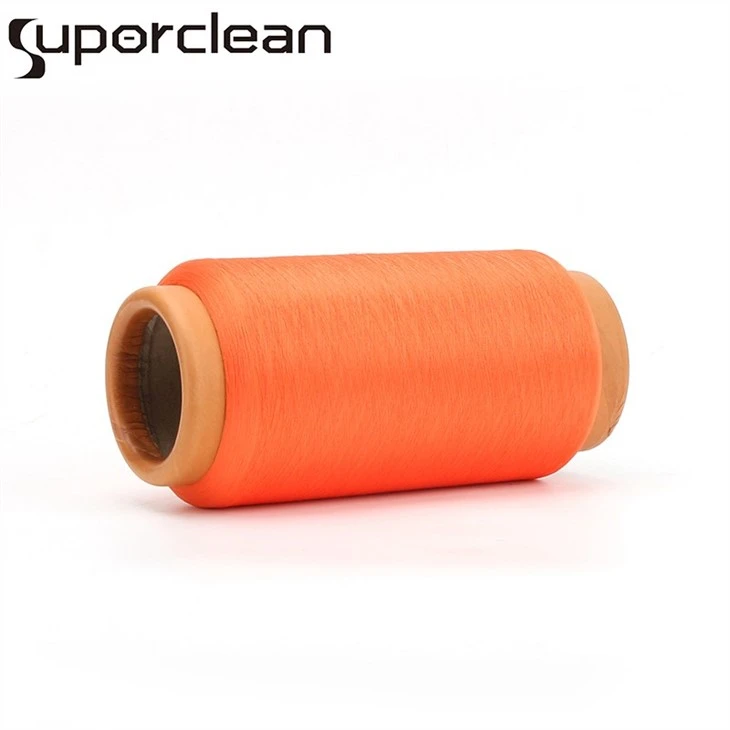

First off, let's understand what antibacterial yarn is. Antibacterial yarn is a type of yarn that has been treated or engineered to have properties that inhibit the growth of bacteria. This makes it great for a whole range of applications. For example, our Shoe Pad Deodorant Yarn is perfect for shoe pads. It helps keep feet fresh by preventing the growth of odor - causing bacteria. We also have Deodorant Nylon Yarn and Antibacterial Nylon Yarn, which are widely used in the textile industry for making various products like sportswear and underwear.
Now, back to the big question: can it be recycled? The answer isn't a simple yes or no. It depends on a few factors.
The Composition of Antibacterial Yarn
The first thing we need to look at is the composition of the yarn. Antibacterial yarn can be made from different base materials such as cotton, polyester, nylon, or a blend of these. Each of these materials has its own recycling potential.
-
Cotton - based Antibacterial Yarn: Cotton is a natural fiber, and in general, it is recyclable. You can break down cotton yarn into its fibers and then spin them into new yarn. However, when it comes to antibacterial cotton yarn, the antibacterial treatment can complicate things. Some antibacterial agents might be difficult to separate from the cotton fibers during the recycling process. If the treatment chemicals are too stubborn, they could contaminate the recycling stream and reduce the quality of the recycled product.
-
Polyester - based Antibacterial Yarn: Polyester is a synthetic fiber that is commonly recycled. The process usually involves melting the polyester and re - spinning it into new yarn. But again, the antibacterial additives in the yarn can pose a problem. Some additives might not melt at the same temperature as the polyester, or they could react with the polyester during the melting process, leading to impurities in the recycled yarn.
-
Nylon - based Antibacterial Yarn: Nylon is also a synthetic fiber that can be recycled. Similar to polyester, the antibacterial treatment can affect the recycling process. The additives might change the chemical properties of the nylon, making it harder to recycle or resulting in a lower - quality recycled product.
The Type of Antibacterial Treatment
There are different ways to make yarn antibacterial. Some common methods include adding antibacterial agents during the spinning process or applying a coating to the finished yarn.
-
In - spinning Antibacterial Agents: When antibacterial agents are added during the spinning process, they become an integral part of the yarn. This can make it very difficult to separate the agent from the yarn during recycling. For example, if a silver - based antibacterial agent is used, the silver particles are dispersed throughout the yarn. Removing these particles without damaging the yarn or contaminating the recycling process is a real challenge.
-
Coated Antibacterial Yarn: Yarns with a coating of antibacterial agents might be a bit easier to recycle in theory. The idea is that the coating could potentially be removed before recycling the base yarn. However, in practice, it's not that simple. The coating might be firmly bonded to the yarn, and the chemicals used to remove the coating could also be harmful to the environment or damage the yarn.
Current Recycling Technologies
The state of recycling technology also plays a huge role in whether antibacterial yarn can be recycled. Currently, most recycling facilities are set up to handle traditional, untreated yarns. They might not have the equipment or processes in place to deal with the complexities of antibacterial yarn.
-
Limited Capacity: Many recycling plants have limited capacity to deal with the special requirements of antibacterial yarn. For example, they might not be able to separate the antibacterial agents from the yarn effectively. This means that even if the yarn is technically recyclable, it might end up in landfills because there are no suitable recycling options available.
-
Lack of Standardization: There is also a lack of standardization in the recycling of antibacterial yarn. Different manufacturers use different antibacterial agents and production methods, which makes it difficult to develop a one - size - fits - all recycling process. Without standardization, it's hard for recycling facilities to invest in the necessary equipment and technology to recycle antibacterial yarn.
The Future of Recycling Antibacterial Yarn
Despite the challenges, there is hope for the future of recycling antibacterial yarn.
-
Research and Development: Scientists and researchers are constantly working on developing new recycling technologies. For example, they are looking for ways to break down the antibacterial agents without harming the base yarn or the environment. Some studies are exploring the use of enzymes or other biological methods to remove the antibacterial coatings from the yarn.
-
Industry Collaboration: The textile industry is starting to recognize the importance of sustainability. More and more manufacturers, including us as an antibacterial yarn supplier, are collaborating with recycling facilities and research institutions to find solutions. By working together, we can share knowledge and resources to develop better recycling methods for antibacterial yarn.
What Can We Do Now?
As a supplier, we're committed to doing our part to make our products more sustainable.
-
Transparency: We're being more transparent about the composition and treatment of our antibacterial yarns. This helps our customers make more informed decisions about using and recycling our products.
-
Research Partnerships: We're partnering with research institutions to explore new ways to make our yarns more recyclable. For example, we're looking into using more environmentally friendly antibacterial agents that are easier to separate during the recycling process.
-
Customer Education: We're also educating our customers about the importance of recycling and the challenges associated with antibacterial yarn. By raising awareness, we hope to encourage more people to think about the end - of - life of our products.
Let's Talk!
If you're interested in our antibacterial yarn products, whether it's Shoe Pad Deodorant Yarn, Deodorant Nylon Yarn, or Antibacterial Nylon Yarn, we'd love to have a chat. We can discuss your specific needs, the sustainability of our products, and how we can work together to make a more eco - friendly future. So, don't hesitate to reach out and start a conversation about purchasing our antibacterial yarn.
References
- "Recycling of Textile Fibers: A Review" - Journal of Textile Science & Engineering
- "Impact of Antibacterial Agents on the Recycling of Synthetic Fibers" - Textile Research Journal
- "Sustainable Textile Recycling Technologies" - International Journal of Environmental Science and Technology


