


Hey there! As a supplier of antibacterial yarn, I often get asked a bunch of questions about our products. One question that pops up quite a bit is, "Does antibacterial yarn have a static problem?" Well, let's dive right into this topic and break it down.
First off, let's understand what antibacterial yarn is. Antibacterial yarn is specially treated to prevent the growth of bacteria. This treatment can be super useful in a variety of applications, like Sweatshirts Yarn, Antibacterial Polyester Yarn, and Antibacterial Socks Yarn. It helps keep the fabric fresh and reduces unpleasant odors, which is a huge plus for consumers.
Now, onto the static problem. Static electricity is basically an imbalance of electric charges within or on the surface of a material. It often happens when two materials rub against each other, causing electrons to transfer. You've probably experienced it when you take off a sweater and it makes that crackling sound, or when you touch a doorknob and get a little shock.
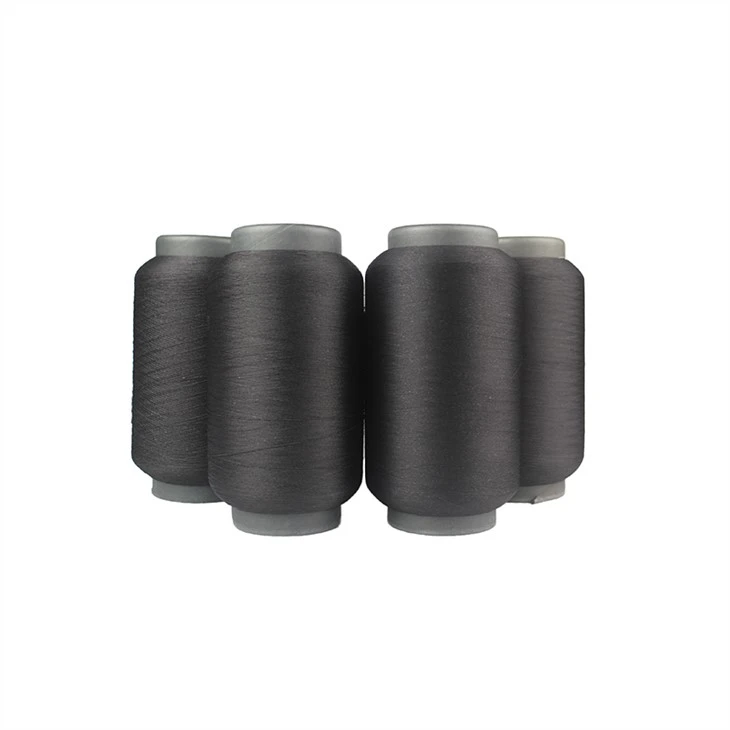
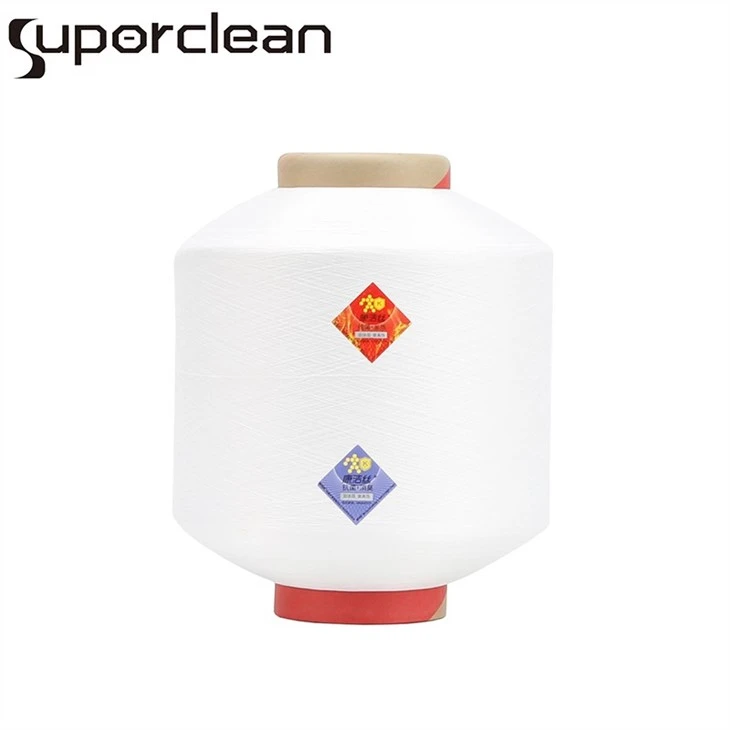
So, does antibacterial yarn have a static problem? The answer isn't a simple yes or no. It depends on a few factors.
Material Composition
The type of fiber used in the antibacterial yarn plays a big role. Some fibers are more prone to static buildup than others. For example, synthetic fibers like polyester and nylon are notorious for generating static. When these fibers are made into antibacterial yarn, they can still carry that static - creating tendency.
On the other hand, natural fibers like cotton and wool are generally less likely to build up static. If the antibacterial yarn is made from a blend that includes a high percentage of natural fibers, the static problem is likely to be reduced. Our Antibacterial Polyester Yarn is a blend, and we've worked hard to find the right balance to minimize static while still maintaining the antibacterial properties.
Antibacterial Treatment
The antibacterial treatment itself can also impact static. Some treatments might change the surface properties of the yarn, affecting how it interacts with other materials. For instance, if the treatment makes the yarn more hydrophobic (water - repelling), it can increase the likelihood of static buildup.
However, at our company, we've developed advanced antibacterial treatments that are designed to have minimal impact on the yarn's static characteristics. We've done a ton of research and testing to make sure that our antibacterial yarns don't cause excessive static.
Environmental Conditions
The environment in which the yarn is used also matters. Dry air is a major culprit when it comes to static electricity. In low - humidity environments, like during the winter months when the air is cold and dry, static is more likely to occur.
If the antibacterial yarn is used in a place with high humidity, the moisture in the air can help dissipate the static charges. So, if you're using our Sweatshirts Yarn in a tropical climate, you're probably less likely to encounter a static problem compared to using it in a dry, desert - like environment.
How to Reduce Static in Antibacterial Yarn
Even though our antibacterial yarns are designed to minimize static, there are still some things you can do to further reduce it.
- Use Fabric Softeners: Fabric softeners can help reduce static by coating the fibers with a thin layer that makes them less likely to generate and hold electric charges. Just make sure to choose a fabric softener that is compatible with the antibacterial treatment.
- Add Moisture: As mentioned earlier, dry air is a problem. You can use a humidifier in your home or workplace to increase the humidity. This will help keep the static at bay.
- Grounding: If you're handling the antibacterial yarn in a manufacturing setting, you can use grounding techniques to prevent static buildup. This involves connecting the equipment to the ground, allowing the static charges to flow away.
Our Commitment as a Supplier
As a supplier of antibacterial yarn, we're committed to providing high - quality products. We understand that static can be a concern for our customers, and we've taken steps to address it. Our R & D team is constantly working on improving our yarns to make them more static - resistant while maintaining their antibacterial effectiveness.
We also offer a wide range of antibacterial yarns to suit different needs. Whether you're looking for Sweatshirts Yarn for a clothing brand or Antibacterial Socks Yarn for a sock manufacturer, we've got you covered.
Why Choose Our Antibacterial Yarn
- Quality Assurance: We have strict quality control measures in place to ensure that every batch of yarn meets our high standards.
- Customization: We can customize the antibacterial treatment and the yarn blend according to your specific requirements.
- Expert Support: Our team of experts is always ready to help you with any questions or concerns you might have.
If you're interested in our antibacterial yarn products and want to learn more about how they can fit into your business, we'd love to hear from you. Whether you're a small - scale producer or a large - scale manufacturer, we're here to support your needs. Reach out to us to start a conversation about your procurement requirements.
References
- Textile Research Journal, various issues on fiber properties and static electricity.
- Journal of Applied Polymer Science, studies on the impact of fiber treatments on static behavior.


