


Socks covered yarn is a specialized type of yarn that combines the properties of different materials to create a product with unique characteristics. As a supplier of socks covered yarn, I often receive inquiries about the cost of this product. In this blog post, I will delve into the factors that influence the cost of socks covered yarn and provide some insights into the price range you can expect.
Factors Affecting the Cost of Socks Covered Yarn
1. Raw Materials
The cost of raw materials is one of the most significant factors influencing the price of socks covered yarn. Different types of fibers are used in the production of covered yarn, each with its own price point. For example, natural fibers like cotton and silk are generally more expensive than synthetic fibers such as polyester and nylon. The quality and origin of the raw materials also play a role. High - quality, sustainably sourced fibers will typically cost more than lower - grade materials.
Spandex is another common component in socks covered yarn, and its price can fluctuate based on market conditions. A 40D Spandex Covered 70D Nylon Yarn will have a different cost compared to a yarn without spandex due to the added elasticity and the cost of the spandex itself.
2. Production Process
The production process of socks covered yarn is complex and involves several steps. The more intricate the process, the higher the cost. For instance, double - covering a yarn requires more time and resources than single - covering. High - precision machinery is often used to ensure the quality and consistency of the covered yarn, and the maintenance and operation of these machines add to the overall cost.
Moreover, some production methods may require additional treatments such as dyeing, heat - setting, or anti - microbial finishing. These treatments not only enhance the functionality and appearance of the yarn but also increase its price. A High Evenness Polyester Covered Yarn might go through a more refined production process to achieve its high evenness, which is reflected in its cost.
3. Quality and Performance
The quality and performance requirements of the socks covered yarn also impact its price. Yarns that are designed for high - end applications, such as sports socks or medical stockings, need to meet strict quality standards. They may have superior elasticity, durability, breathability, and colorfastness. These enhanced properties are achieved through the use of better raw materials and more advanced production techniques, leading to a higher price.
On the other hand, yarns intended for basic or low - cost socks will have a lower price point as they do not need to meet such high - end performance criteria.
4. Market Demand and Supply
Like any other product, the price of socks covered yarn is affected by market demand and supply. If there is a high demand for a particular type of covered yarn and the supply is limited, the price will increase. Conversely, when the supply exceeds the demand, the price may drop.
Seasonal factors can also influence demand. For example, there may be a higher demand for warm, thick socks covered yarn in the winter months, which can drive up its price during that period.
Price Range of Socks Covered Yarn
The price of socks covered yarn can vary widely depending on the factors mentioned above. Generally, the price can range from a few dollars per kilogram for basic, low - quality yarns to tens of dollars per kilogram for high - end, specialty yarns.
Lower - cost yarns are often made from a higher proportion of synthetic fibers and have a more basic production process. They are suitable for mass - produced, inexpensive socks. These yarns may be around $2 - $5 per kilogram.
Mid - range socks covered yarns, which offer a good balance between quality and price, can cost between $5 - $15 per kilogram. These yarns may use a combination of natural and synthetic fibers and have a moderate level of performance features.
High - end socks covered yarns, such as those used in luxury or technical socks, can cost upwards of $15 per kilogram. These yarns are made from high - quality raw materials, have advanced performance characteristics, and may be produced using state - of - the - art manufacturing processes.
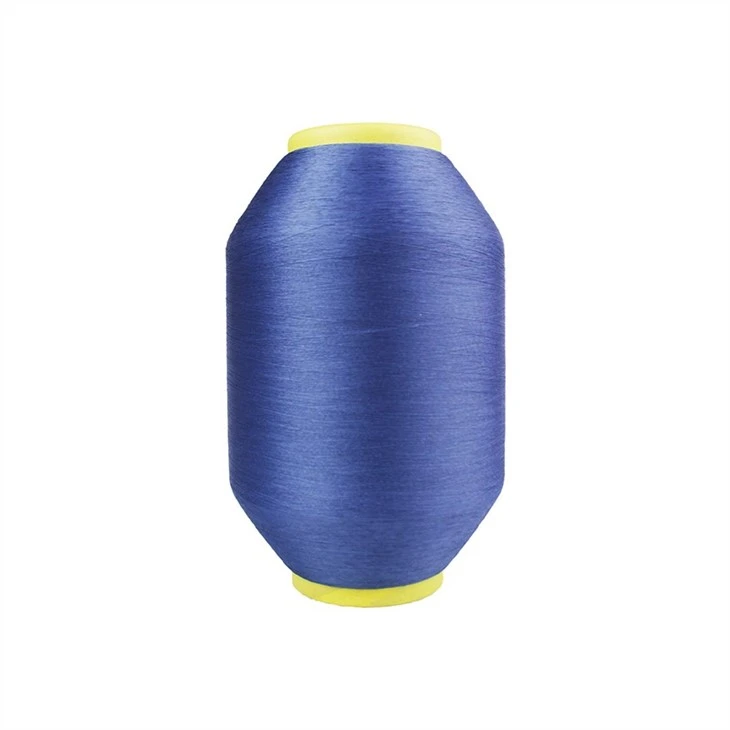
For example, a 3075 Polyester Single Covered Recycle Yarn may fall into the mid - range category, with a price that reflects its recycle nature and single - covering production process.

Understanding the Cost - Benefit Ratio
When considering the cost of socks covered yarn, it is essential to evaluate the cost - benefit ratio. While high - end yarns may be more expensive, they can offer significant advantages in terms of product quality, durability, and customer satisfaction. Using a high - quality yarn can result in fewer production defects, longer - lasting socks, and a better reputation for your brand.
On the other hand, if you are targeting a price - sensitive market or producing low - cost socks, a lower - cost yarn may be a more suitable option. It is important to find the right balance between cost and quality based on your specific business needs and target market.
Conclusion
In conclusion, the cost of socks covered yarn is influenced by a variety of factors, including raw materials, production process, quality, and market demand. As a supplier, I understand the importance of providing customers with a clear understanding of these factors so that they can make informed decisions.
Whether you are looking for a basic, cost - effective yarn or a high - end, specialty yarn, I am here to assist you. Our company offers a wide range of socks covered yarns to meet different needs and budgets. If you are interested in learning more about our products or would like to discuss a potential purchase, please do not hesitate to reach out. We are ready to engage in productive discussions to find the best solution for your sock manufacturing requirements.
References
- Textile Industry Reports on Fiber Prices and Market Trends
- Technical Literature on Yarn Production Processes
- Market Research on Sock Manufacturing and Yarn Consumption


