


Hey there! I'm a supplier of polyester yarn, and I know how crucial it is to keep those polyester yarn filters clean. Clean filters not only ensure the quality of the yarn but also extend the lifespan of your equipment. In this blog, I'll share some practical tips on how to clean polyester yarn filters effectively.
Why Clean Polyester Yarn Filters?
Before we dive into the cleaning process, let's talk about why it's so important to keep these filters clean. Polyester yarn filters play a vital role in removing impurities from the yarn during the manufacturing process. Over time, these filters can get clogged with dirt, debris, and other contaminants. When this happens, the flow of the yarn can be restricted, leading to uneven yarn quality and potential damage to the equipment.
A clogged filter can also increase the pressure within the system, which can cause the equipment to work harder and consume more energy. This not only raises your operational costs but also shortens the lifespan of the machinery. So, regular cleaning of polyester yarn filters is essential for maintaining the efficiency and quality of your polyester yarn production.
Step 1: Preparation
The first step in cleaning polyester yarn filters is to gather all the necessary tools and materials. You'll need a cleaning solution, a soft brush, a pair of gloves, and a container large enough to soak the filters. Make sure the cleaning solution is specifically designed for polyester yarn filters. Using the wrong type of cleaner can damage the filters and reduce their effectiveness.
Once you have all the tools and materials ready, it's time to shut down the equipment and isolate the filters. This will prevent any accidents and ensure your safety during the cleaning process. Always follow the manufacturer's instructions when shutting down and isolating the filters.

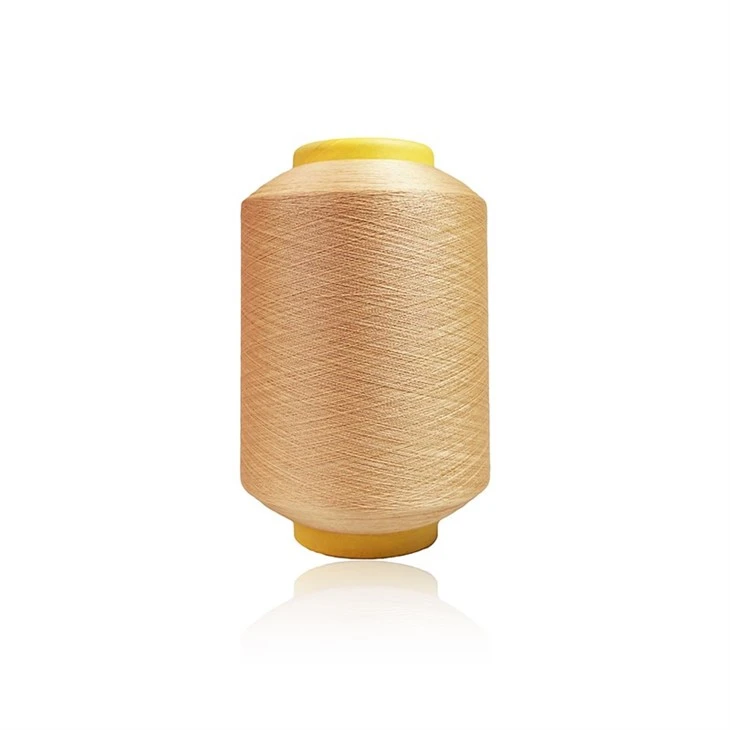
Step 2: Removal of Filters
Carefully remove the polyester yarn filters from the equipment. This may require some disassembly, so make sure you have a clear understanding of how the filters are installed. Take your time and be gentle to avoid damaging the filters or the equipment.
As you remove the filters, inspect them for any signs of damage or excessive wear. If you notice any cracks, holes, or other issues, it may be time to replace the filters. Using damaged filters can compromise the quality of the yarn and increase the risk of equipment failure.
Step 3: Pre - cleaning Inspection
Before you start cleaning the filters, give them a thorough inspection. Look for any large chunks of debris or contaminants that can be easily removed. You can use a soft brush to gently brush off any loose dirt or particles. This pre - cleaning step will make the soaking process more effective.
Pay special attention to the areas where the filters are most likely to accumulate dirt, such as the edges and the inner channels. Use the brush to reach into these areas and dislodge any stubborn debris.
Step 4: Soaking the Filters
Fill the container with the cleaning solution according to the manufacturer's instructions. Place the filters in the solution and make sure they are fully submerged. Let the filters soak for the recommended amount of time, usually between 30 minutes to a few hours, depending on the level of contamination.
During the soaking process, the cleaning solution will break down the dirt and contaminants on the filters. You can gently agitate the solution every now and then to help loosen the debris.
Step 5: Cleaning the Filters
After soaking, take the filters out of the solution and use the soft brush to scrub them gently. Start from the top and work your way down, paying close attention to the areas with the most dirt. Use a circular motion to ensure that all parts of the filter are cleaned thoroughly.
Rinse the filters under running water to remove the loosened dirt and the cleaning solution. Make sure to rinse them completely to avoid leaving any residue on the filters. You can also use a hose or a pressure washer on a low setting to rinse the filters more effectively.
Step 6: Drying the Filters
Once the filters are clean, it's important to dry them properly. You can let them air - dry in a well - ventilated area. Avoid using heat sources such as hair dryers or ovens to dry the filters, as this can damage the polyester material.
Make sure the filters are completely dry before reinstalling them. Any moisture left on the filters can lead to the growth of mold and bacteria, which can contaminate the yarn.
Step 7: Reinstallation of Filters
After the filters are dry, carefully reinstall them in the equipment. Make sure they are properly seated and secured. Follow the manufacturer's instructions for reinstallation to ensure that the filters are installed correctly.
Once the filters are reinstalled, run a test to make sure the equipment is working properly. Check for any signs of leaks or abnormal pressure. If everything looks good, you're ready to resume production.
Additional Tips
- Regular Maintenance Schedule: Establish a regular maintenance schedule for cleaning the polyester yarn filters. This will help you stay on top of the cleaning process and prevent the filters from getting too dirty.
- Use High - Quality Filters: Invest in high - quality polyester yarn filters. They may cost more upfront, but they are more durable and effective, which can save you money in the long run.
- Train Your Staff: Make sure your staff is properly trained on how to clean and maintain the polyester yarn filters. This will ensure that the cleaning process is done correctly and safely.
Our Polyester Yarn Products
As a polyester yarn supplier, we offer a wide range of high - quality polyester yarn products. If you're interested in our products, you can check out our Spandex Single Covered Polyester Yarn, Nylon Spandex Covered Yarn For Socks, and Thin Yarn Spandex Covered Nylon Yarn Scy 2030. These products are known for their excellent quality and performance.
Contact Us for Purchase
If you're interested in purchasing our polyester yarn products or have any questions about cleaning polyester yarn filters, feel free to contact us. We're always happy to help you with your needs and provide you with the best solutions for your polyester yarn production.
References
- Polyester Yarn Manufacturing Handbook
- Filter Maintenance Guide for Textile Equipment


