

Hey there! As a supplier of Air Covered Yarn, I often get asked this question: “Is air covered yarn environmentally friendly?” It's a topic that's close to my heart, and I'm excited to dive into it with you.
First off, let's understand what air covered yarn is. Air covered yarn is made by wrapping one or more yarns around a core yarn using high - speed air jets. This process creates a unique yarn structure with different properties, like stretch, durability, and softness. It's used in a wide range of products, from clothing to home textiles.
Now, let's talk about the environmental aspects. One of the key factors to consider is the raw materials. A lot of air covered yarns are made from synthetic fibers like polyester. Polyester is a petroleum - based product, which means it comes from non - renewable resources. Extracting and processing petroleum is energy - intensive and can have a significant impact on the environment. For example, oil spills during the extraction process can harm marine life and ecosystems. Also, the manufacturing of polyester releases harmful chemicals into the air and water.
But here's the thing. Not all air covered yarn is made from polyester. There are also options made from natural fibers like cotton, wool, or silk. These natural fibers are renewable resources. Cotton plants can be replanted every year, and sheep can be shorn regularly for wool. Natural fibers are biodegradable, which means they break down over time in the environment without leaving behind a lot of harmful waste. For instance, if you have a piece of clothing made from air covered yarn with a cotton core, once it's no longer usable, it can decompose in a compost pile.
Another aspect to consider is the production process. The air covering process itself is relatively energy - efficient compared to some other yarn - making methods. The high - speed air jets use less energy than traditional mechanical wrapping methods. However, if the production facility isn't properly managed, it can still have a negative impact. For example, if the water used in the production process isn't treated correctly, it can contaminate local water sources.
Let's take a look at some of the products we offer. We have the Polyester Air Covered Yarn With Spandex 2075. This yarn is a popular choice for sportswear because of its stretch and durability. But as I mentioned earlier, the polyester component has its environmental drawbacks. On the other hand, our Acy Polyester Covered Yarn is also a great option, but again, it's important to be aware of the polyester's environmental impact.
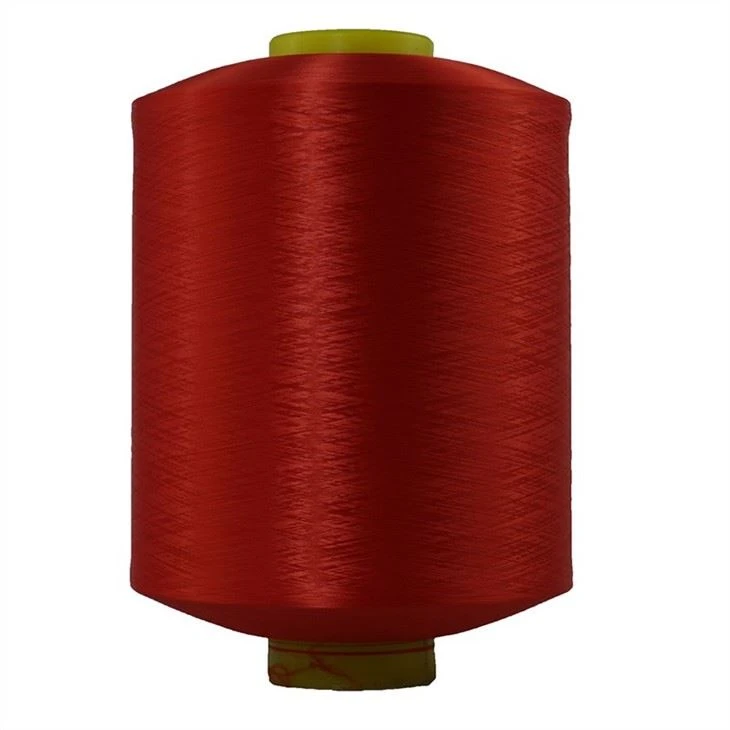

If you're more environmentally conscious, we also have the Dyed Air Covered Knitting Yarn. This yarn can be made from a variety of natural fibers, and the dyeing process can be done in an eco - friendly way. Some of our suppliers use natural dyes made from plants and minerals, which are much less harmful to the environment than synthetic dyes.
When it comes to waste management, air covered yarn has some pros and cons. On the positive side, if the yarn is made from natural fibers, it can be recycled or composted. For example, old woolen air covered yarn can be recycled into new yarn or used as insulation material. But if it's made from synthetic fibers like polyester, recycling can be more challenging. Polyester fibers need to be broken down into their basic components and then remade into new products, which requires a lot of energy and specialized equipment.
In terms of the end - use products, air covered yarn can contribute to a more sustainable lifestyle in some ways. For example, clothing made from air covered yarn can last longer because of its durability. This means you don't have to replace your clothes as often, which reduces the overall demand for new clothing production. And if you choose products made from natural fibers, you're supporting a more sustainable supply chain.
So, is air covered yarn environmentally friendly? Well, it depends. If it's made from synthetic materials like polyester, there are definitely some environmental concerns. But if it's made from natural fibers and produced in an eco - friendly way, it can be a more sustainable option.
As a supplier, we're constantly looking for ways to make our air covered yarn more environmentally friendly. We're working with our suppliers to source more natural fibers and improve our production processes. We're also looking into better recycling solutions for our synthetic yarns.
If you're in the market for air covered yarn and you're concerned about the environment, we'd love to talk to you. Whether you're a clothing manufacturer, a crafter, or someone looking for high - quality yarn for your projects, we can help you find the right product that meets your environmental and quality requirements. Just reach out, and we can start a conversation about your needs.
References
- Textile World Magazine, various issues on yarn production and environmental impact
- Journal of Sustainable Textiles, research on natural and synthetic fiber yarns
- Environmental Protection Agency reports on textile manufacturing and waste management


