


Elastic covered yarn is a versatile material widely used in various industries, including textiles, apparel, and industrial applications. One of the key considerations when using elastic covered yarn is its chemical resistance properties. In this blog post, we'll explore the chemical resistance of elastic covered yarn, as a supplier of high - quality elastic covered yarn, and how it impacts different applications.
Understanding Elastic Covered Yarn
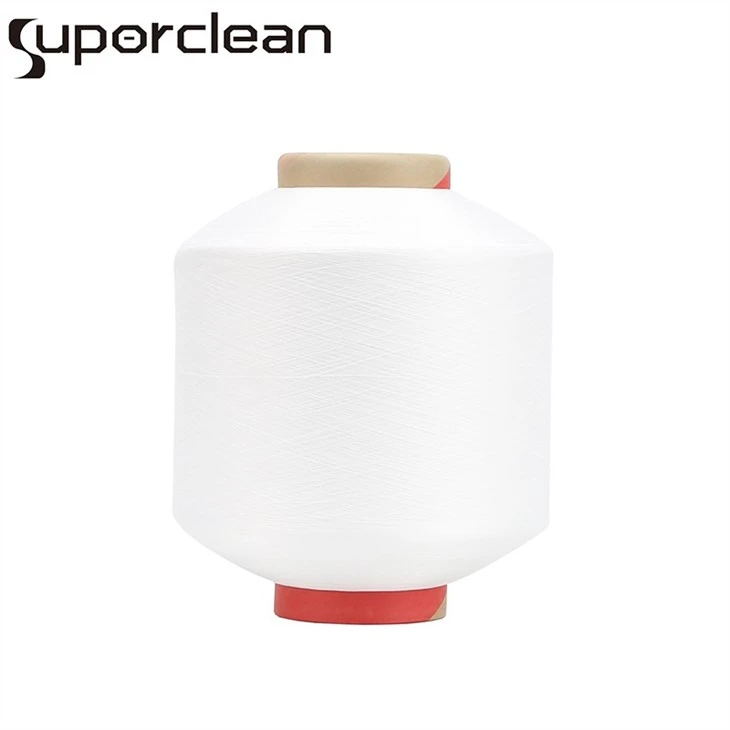
Elastic covered yarn is typically composed of an elastic core, usually made of spandex, covered with one or more layers of other fibers such as polyester or nylon. The covering fibers provide strength, durability, and a specific aesthetic appearance, while the elastic core gives the yarn its stretch and recovery properties.
Our company offers a wide range of elastic covered yarn products, including Polyester Covered Yarn, 20D Spandex Covered 70D Nylon Yarn, and Nylon Spandex Covered Color Yarn. Each of these products has unique characteristics, and their chemical resistance properties play a crucial role in determining their suitability for different end - uses.
Factors Affecting Chemical Resistance
The chemical resistance of elastic covered yarn is influenced by several factors:
Core Material
The elastic core, usually spandex, has its own chemical resistance profile. Spandex is generally resistant to many common solvents and chemicals, but it can be affected by strong acids, alkalis, and some oxidizing agents. For example, exposure to concentrated sulfuric acid can cause the spandex to break down, losing its elasticity.
Covering Material
The covering fibers also significantly impact the yarn's chemical resistance. Polyester is known for its good resistance to many chemicals, including weak acids and alkalis. It is also resistant to most organic solvents, which makes polyester - covered yarn suitable for applications where it may come into contact with common industrial chemicals. Nylon, on the other hand, has relatively good resistance to many chemicals but is more sensitive to strong acids compared to polyester.
Manufacturing Process
The way the elastic covered yarn is manufactured can also affect its chemical resistance. For instance, the type of coating or finishing applied during the production process can enhance or reduce the yarn's ability to withstand chemical exposure. A proper coating can act as a barrier, protecting the core and covering fibers from chemical attack.
Chemical Resistance in Different Environments
Textile and Apparel Industry
In the textile and apparel industry, elastic covered yarn is used in various products such as swimwear, sportswear, and lingerie. These products may come into contact with body sweat, detergents, and chlorine in swimming pools.
- Sweat: Body sweat contains salts, acids, and other substances. Polyester - covered yarn and nylon - covered yarn generally have good resistance to sweat. The covering fibers can prevent the sweat from directly attacking the spandex core, ensuring the long - term elasticity of the yarn.
- Detergents: Most common laundry detergents are formulated to be gentle on fabrics. Elastic covered yarn can withstand regular washing with mild detergents. However, some heavy - duty detergents with high alkaline content may cause damage to the yarn over time, especially if the covering material is nylon.
- Chlorine: Chlorine in swimming pools can be a major concern for swimwear made with elastic covered yarn. Chlorine is a strong oxidizing agent that can degrade both spandex and nylon. Polyester - covered yarn shows better resistance to chlorine compared to nylon - covered yarn. Special coatings or treatments can be applied to enhance the chlorine resistance of the yarn, making it more suitable for swimwear applications.
Industrial Applications
In industrial applications, elastic covered yarn may be exposed to a wider range of chemicals.
- Automotive Industry: In automotive interiors, the yarn may come into contact with lubricants, fuels, and cleaning agents. Polyester - covered yarn is often a good choice due to its resistance to many of these chemicals. It can maintain its mechanical properties even when exposed to small amounts of oil - based lubricants and fuel residues.
- Medical Industry: In medical textiles, the yarn may be in contact with disinfectants and sterilizing agents. Elastic covered yarn with good chemical resistance is essential to ensure the safety and longevity of medical products. For example, some disinfectants contain alcohol or strong oxidizing agents. Yarns with appropriate chemical resistance can withstand these disinfectants without losing their elasticity or structural integrity.
Testing Chemical Resistance
To accurately assess the chemical resistance of elastic covered yarn, several testing methods can be used:
Immersion Testing
This involves immersing samples of the elastic covered yarn in a specific chemical solution for a defined period. After the immersion, the samples are evaluated for changes in appearance, such as color fading, swelling, or cracking. Mechanical properties such as tensile strength and elasticity are also measured to determine the extent of chemical damage.
Exposure Testing
In exposure testing, the yarn samples are exposed to a specific chemical environment for a longer period, simulating real - world conditions. For example, in a chlorine - rich environment, the samples can be placed in a chamber with controlled chlorine levels for several days or weeks. This test provides a more comprehensive understanding of the yarn's long - term chemical resistance.

Importance of Chemical Resistance in Product Selection
When selecting elastic covered yarn for a particular application, understanding its chemical resistance properties is crucial.
- Product Performance: A yarn with appropriate chemical resistance will ensure the long - term performance of the final product. For example, swimwear made with chlorine - resistant yarn will last longer and maintain its shape and elasticity even after multiple uses in a chlorinated pool.
- Safety: In industries such as the medical and food - processing industries, the chemical resistance of the yarn is directly related to safety. Yarns that can withstand disinfectants and cleaning agents without releasing harmful substances are essential for ensuring the safety of end - users.
Conclusion
The chemical resistance properties of elastic covered yarn are complex and depend on multiple factors, including the core and covering materials, manufacturing process, and the specific chemical environment. As a supplier of elastic covered yarn, we understand the importance of these properties in different industries. Our Polyester Covered Yarn, 20D Spandex Covered 70D Nylon Yarn, and Nylon Spandex Covered Color Yarn are designed to meet the diverse chemical resistance requirements of our customers.
If you are in need of high - quality elastic covered yarn with specific chemical resistance properties for your project, we are here to help. Contact us to discuss your requirements and find the best solution for your application. Our team of experts can provide detailed information and guidance on product selection and usage.
References
- Textile Chemistry and Technology, Second Edition, by Robert M. Christie
- Handbook of Fiber Chemistry, Third Edition, by Menachem Lewin and Eli M. Pearce


