


Hey there! As a supplier of single covered yarn, I'm super excited to take you through the production process of this amazing product. Single covered yarn is used in a wide range of applications, from fashion to industrial uses, and understanding how it's made can give you a better appreciation of its quality and versatility.
Starting with the Basics: What's Single Covered Yarn?
Before we dive into the production process, let's quickly go over what single covered yarn actually is. Single covered yarn consists of a core yarn that's wrapped with another yarn. The core yarn provides the base structure and properties like strength and elasticity, while the outer covering adds features such as color, texture, and abrasion resistance.
Step 1: Selecting the Core Yarn
The first step in making single covered yarn is choosing the right core yarn. The core can be made from various materials, each with its own set of properties. For example, spandex is a popular choice for the core because of its high elasticity. This makes the resulting single covered yarn perfect for applications where stretch is needed, like in sportswear or hosiery.
If you're looking for a high-elastic option, check out our High Elastic Covered Yarn. It uses a spandex core to give that amazing stretch factor.
On the other hand, polyester DTY (Draw Textured Yarn) is known for its strength, durability, and resistance to wrinkles. Our Spandex Covered 100% Polyester DTY Yarn combines the stretch of spandex with the benefits of polyester, making it suitable for a variety of textile products.
Step 2: Picking the Covering Yarn
Once the core yarn is selected, it's time to choose the covering yarn. The covering yarn can be made from materials like nylon, cotton, or polyester. Nylon is often used because it's strong, has good abrasion resistance, and can give the single covered yarn a smooth finish.
Our Nylon Single Covered Seamless Yarn uses nylon as the covering yarn. It's great for seamless products where a smooth and even surface is required, like in lingerie or swimwear.
Step 3: Preparing the Yarns
Before the covering process can start, both the core and covering yarns need to be prepared. This involves cleaning the yarns to remove any impurities or debris that could affect the quality of the final product.
The yarns are also sometimes treated with special chemicals or finishes. For example, the covering yarn might be dyed to achieve the desired color. This can be done using various dyeing methods, depending on the type of yarn and the color intensity required.
Step 4: The Covering Process
Now comes the main event - the covering process. There are different machines and techniques used for this, but the basic principle is the same. The core yarn is fed through the center of a spindle, while the covering yarn is wound around it.
The speed and tension of both the core and covering yarns are carefully controlled to ensure a uniform and tight wrap. This is crucial because a loose wrap could cause the covering yarn to come off easily, while an overly tight wrap could damage the core yarn.
As the covering yarn is wrapped around the core, it forms a helix-like structure. The number of turns per inch, also known as the twist level, can be adjusted depending on the specific requirements of the final product. A higher twist level generally results in a stronger and more durable single covered yarn.
Step 5: Quality Control
After the covering process is complete, the single covered yarn goes through a rigorous quality control process. Samples are taken from the production line and tested for various properties, such as strength, elasticity, colorfastness, and uniformity.
If any issues are detected, the production process might be adjusted to correct them. This could involve changing the tension of the yarns, adjusting the twist level, or rechecking the quality of the raw materials.
Step 6: Packaging and Storage
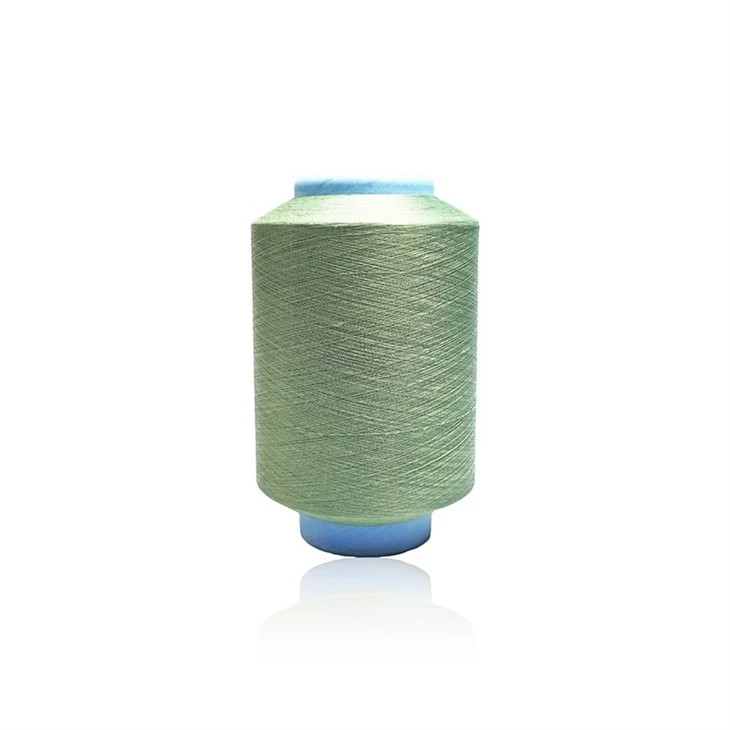
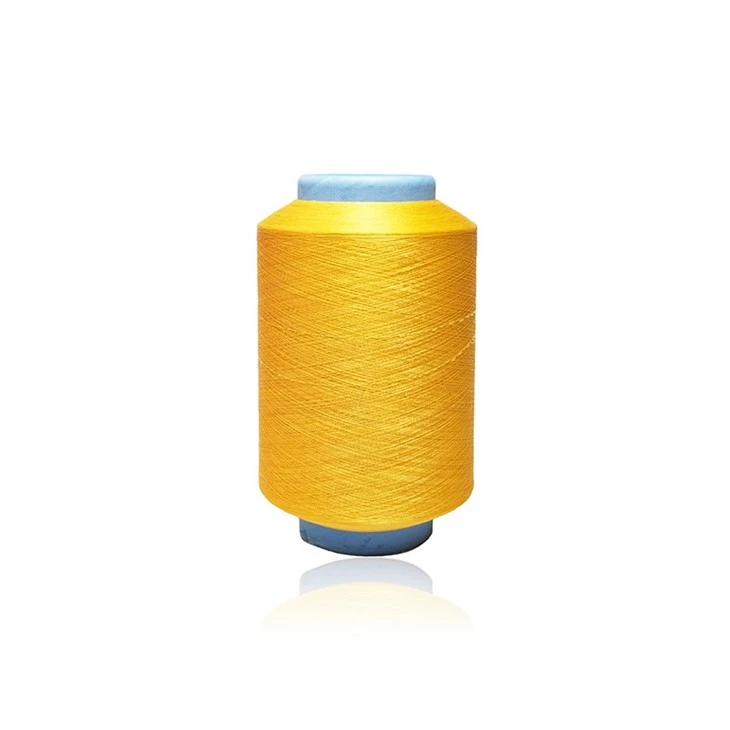
Once the single covered yarn passes the quality control tests, it's ready to be packaged. The yarn is usually wound onto bobbins or cones, depending on the customer's requirements.
The packaging is designed to protect the yarn during transportation and storage. It also includes information about the yarn, such as its composition, color, and any special handling instructions.
The packaged single covered yarn is then stored in a controlled environment to prevent damage from moisture, sunlight, or other environmental factors.
Why Choose Our Single Covered Yarn?
As a supplier, we take pride in our production process. We use high-quality raw materials and state-of-the-art equipment to ensure that our single covered yarn meets the highest standards.
Our team of experts is constantly working to improve the production process and develop new products to meet the changing needs of the market. Whether you're a small business looking for a unique yarn for your handmade products or a large textile manufacturer in need of a reliable supply, we've got you covered.
Let's Talk Business
If you're interested in our single covered yarn products or have any questions about the production process, don't hesitate to reach out. We're always happy to have a chat and discuss how we can meet your specific requirements.
Whether you're looking for a particular type of single covered yarn or need help choosing the right one for your project, we're here to assist you. Let's work together to create amazing products with our high-quality single covered yarn.
References
- Textile Manufacturing Handbook: This comprehensive guide provides in-depth information on textile production processes, including the production of single covered yarn.
- Journal of Textile Science and Technology: Articles in this journal often cover the latest research and developments in textile technology, which can be relevant to understanding the production of single covered yarn.


