


As a supplier of SCY Covered Yarn, I've witnessed firsthand the diverse range of applications and the importance of understanding the types of fibers commonly blended with this versatile product. SCY Covered Yarn, known for its unique properties and performance, is often combined with other fibers to enhance its characteristics and meet specific industry needs. In this blog, I'll explore the various fibers that are frequently blended with SCY Covered Yarn and the benefits they bring to the table.
Polyester
Polyester is one of the most commonly blended fibers with SCY Covered Yarn. Polyester Covered Yarn offers several advantages when combined with SCY. Firstly, polyester is highly durable and resistant to abrasion, which helps to increase the lifespan of the yarn. This makes it ideal for applications where the yarn will be subjected to heavy use or friction, such as in sportswear, workwear, and industrial textiles.
Secondly, polyester has excellent moisture-wicking properties. It can quickly absorb and evaporate sweat, keeping the wearer dry and comfortable. When blended with SCY Covered Yarn, this feature is particularly beneficial in activewear and outdoor clothing, where moisture management is crucial.
In addition, polyester is resistant to wrinkles and shrinking, which means that garments made from polyester-blended SCY Covered Yarn will maintain their shape and appearance even after multiple washes. This makes it a popular choice for consumers who value low-maintenance clothing.
Nylon
Nylon is another fiber that is often blended with SCY Covered Yarn. Spandex Covered Nylon Seamless Yarn combines the stretch and recovery properties of SCY with the strength and durability of nylon. Nylon is known for its high tensile strength, which makes it suitable for applications that require a strong and resilient yarn, such as in hosiery, swimwear, and lingerie.
Nylon also has good abrasion resistance and is resistant to chemicals and oils. This makes it a great choice for industrial applications, such as in conveyor belts, ropes, and nets. When blended with SCY Covered Yarn, nylon enhances the overall performance of the yarn, making it more suitable for demanding environments.
Furthermore, nylon has a smooth and lustrous surface, which gives garments a sleek and professional appearance. This makes it a popular choice for fashion applications, where aesthetics are important.
Cotton
Cotton is a natural fiber that is widely used in the textile industry. When blended with SCY Covered Yarn, cotton adds a soft and comfortable feel to the yarn. Cotton is breathable and absorbent, which makes it ideal for clothing that will be in direct contact with the skin, such as underwear, T-shirts, and pajamas.
Cotton also has a natural look and feel, which gives garments a warm and inviting appearance. It is a popular choice for casual and everyday wear, as it is comfortable and easy to care for. When blended with SCY Covered Yarn, cotton provides a balance between comfort and stretch, making it suitable for a wide range of applications.
However, it's important to note that cotton has relatively low elasticity compared to synthetic fibers. Therefore, when blending cotton with SCY Covered Yarn, the percentage of cotton should be carefully considered to ensure that the yarn maintains its stretch and recovery properties.
Rayon
Rayon is a semi-synthetic fiber that is made from natural cellulose. It has a soft and smooth texture, similar to silk, and is highly absorbent. When blended with SCY Covered Yarn, rayon adds a luxurious feel to the yarn and enhances its drape and flow.
Rayon is also breathable and comfortable to wear, making it a popular choice for summer clothing, such as dresses, blouses, and skirts. It has a natural sheen that gives garments an elegant and sophisticated appearance.

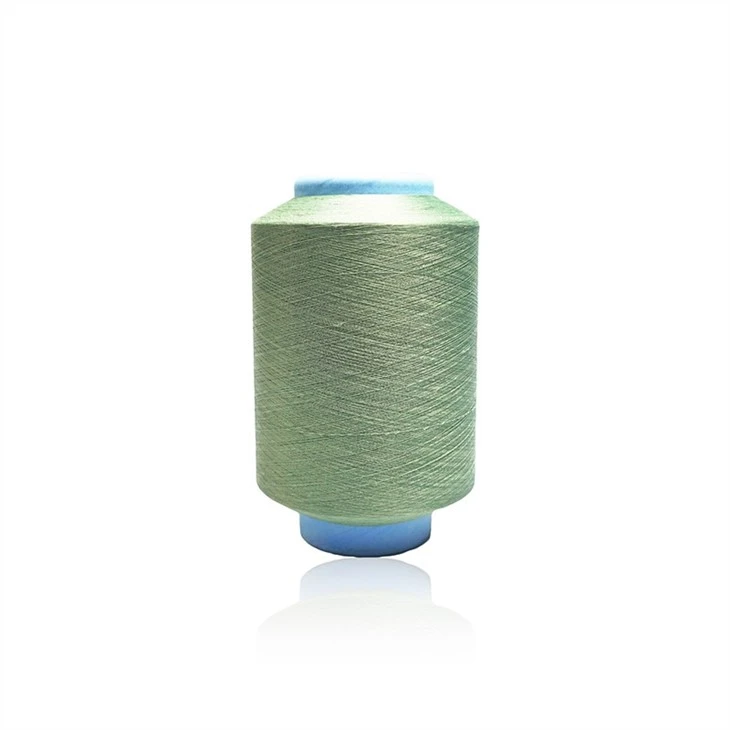
In addition, rayon is relatively inexpensive compared to other fibers, which makes it a cost-effective option for blending with SCY Covered Yarn. However, rayon has poor elasticity and can shrink and wrinkle easily. Therefore, it is often blended with other fibers, such as polyester or nylon, to improve its performance.
Wool
Wool is a natural fiber that is known for its warmth, softness, and durability. When blended with SCY Covered Yarn, wool adds insulation and comfort to the yarn. Wool is able to trap air between its fibers, which helps to keep the wearer warm in cold weather.
Wool also has natural moisture-wicking properties, which means that it can absorb and release moisture without feeling damp. This makes it suitable for use in winter clothing, such as sweaters, scarves, and hats.
In addition, wool is resistant to fire and static electricity, which makes it a safe and practical choice for certain applications. However, wool can be itchy and may require special care when washing. Therefore, when blending wool with SCY Covered Yarn, the percentage of wool should be carefully considered to ensure that the yarn is comfortable to wear and easy to care for.
Blending Considerations
When blending different fibers with SCY Covered Yarn, there are several factors that need to be considered. Firstly, the properties of the fibers should be compatible with each other. For example, if a fiber has poor elasticity, it may not be suitable for blending with SCY Covered Yarn, as it may affect the stretch and recovery properties of the yarn.
Secondly, the percentage of each fiber in the blend should be carefully determined to achieve the desired properties. For example, if a high level of stretch is required, a higher percentage of SCY Covered Yarn should be used. On the other hand, if comfort and breathability are more important, a higher percentage of natural fibers, such as cotton or wool, may be used.
Thirdly, the processing requirements of the fibers should be considered. Different fibers may require different processing techniques, such as spinning, dyeing, and finishing. Therefore, it is important to ensure that the blending process is compatible with the processing requirements of the fibers.
Conclusion
In conclusion, there are several types of fibers that are commonly blended with SCY Covered Yarn, each offering unique properties and benefits. Polyester, nylon, cotton, rayon, and wool are just a few examples of the fibers that can be combined with SCY Covered Yarn to enhance its performance and meet specific industry needs.
As a supplier of SCY Covered Yarn, I understand the importance of providing high-quality products that meet the diverse needs of our customers. By offering a wide range of fiber blends, we are able to provide our customers with the flexibility and options they need to create innovative and high-performance textiles.
If you are interested in learning more about our SCY Covered Yarn products or exploring the possibilities of fiber blending, please don't hesitate to contact us. We would be happy to discuss your specific requirements and provide you with the information and support you need to make an informed decision.
References
- Textile Institute. (2019). Handbook of Textile Fibres: Man-Made Fibres. Woodhead Publishing.
- Horrocks, A. R., & Anand, S. C. (Eds.). (2000). Handbook of Technical Textiles. Woodhead Publishing.
- Tortora, P. G., & Merkel, J. B. (2016). Fairchild's Dictionary of Textiles. Fairchild Books.


