

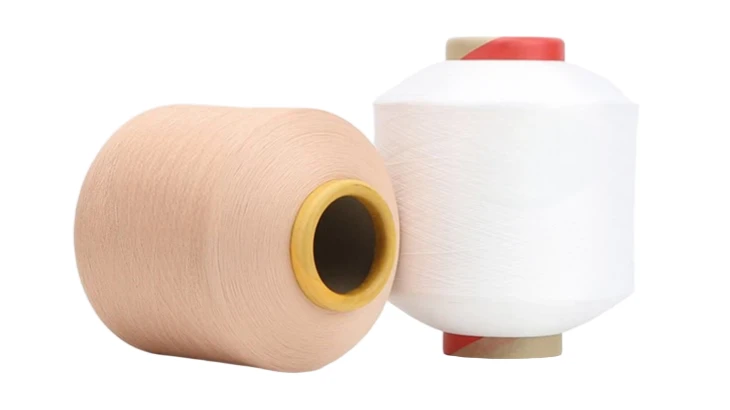
Introduction to Covered Yarns
Covered yarns are a specialized type of yarn widely used in various advanced textile applications. They are made by wrapping a base yarn, typically a synthetic or natural fiber, with a filament or fiber, creating a product with enhanced durability, elasticity, and strength. This technique provides the yarn with additional properties that are desirable for different industrial applications, such as higher resistance to abrasion and the ability to stretch or retain shape.
For businesses operating in industries like fashion, automotive, or medical textiles, covered yarns represent a cost-effective and versatile material that adds value to the end product. Companies require reliable suppliers who understand these needs and offer tailored solutions that meet specific product requirements.


Key Properties of Covered Yarns
Covered yarns are known for several important properties that make them an attractive choice for various textile applications:
Elasticity: Covered yarns are highly elastic, which makes them ideal for use in products that require stretchability, such as sportswear and activewear.
Durability: The outer covering on the yarn provides increased abrasion resistance, extending the lifespan of the fabric or product.
Versatility: They can be made from a variety of base and cover materials, offering flexibility in meeting different performance needs.
Aesthetic Appeal: The covering can be chosen to enhance the texture, color, and appearance of the final product, which is especially important in fashion and interior design applications.
Lightweight and Softness: The covering adds a layer of softness, making covered yarns more comfortable to wear in apparel products like socks, tights, and undergarments.
Applications of Covered Yarns in Various Industries
- Fashion and Apparel Industry
In the fashion industry, covered yarns have found significant applications in creating textiles for garments such as tights, socks, and sweaters. Their elastic properties allow for garments that conform to body shape while maintaining comfort. Furthermore, covered yarns contribute to the fabric's ability to retain shape and prevent sagging after multiple uses. High-end fashion brands and mass-market apparel manufacturers alike benefit from covered yarns due to their flexibility and diverse aesthetic possibilities.
For B2B companies looking to innovate their fashion lines, covered yarns offer endless customization options to cater to varying customer preferences in terms of texture, color, and performance.
- Industrial Textiles
Covered yarns are also a staple in the production of industrial textiles. Their strength and durability make them suitable for use in fabrics that need to endure harsh working conditions. This includes applications such as conveyor belts, protective wear, and filtration fabrics. Businesses in the manufacturing and construction sectors rely on covered yarns for their long-lasting performance, which is essential in maintaining the efficiency and safety of their operations.
Moreover, covered yarns can be used in the creation of textiles for cables, wires, and other products that require enhanced resistance to abrasion and wear.
- Medical Textiles
Medical textiles represent a niche yet critical sector where covered yarns are increasingly being utilized. These yarns are employed in the production of garments such as compression socks, wound care dressings, and prosthetic linings. The elastic nature of covered yarns allows for the creation of medical garments that fit snugly and offer support while remaining comfortable for the patient.
The versatility of covered yarns extends to other applications such as infection-resistant fabrics and medical accessories, further increasing their demand in the healthcare industry.
- Automotive Textiles
In the automotive sector, covered yarns are used in applications such as seat coverings, airbag fabric, and carpeting. The ability of covered yarns to withstand high stress and maintain integrity under extreme conditions makes them ideal for automotive applications. Furthermore, their resistance to environmental factors such as moisture, temperature changes, and sunlight ensures that automotive textiles remain durable over time.
Businesses involved in automotive manufacturing and parts supply rely on covered yarns to create textiles that not only meet functional needs but also adhere to aesthetic standards.
Technological Advancements in Covered Yarn Manufacturing
The production of covered yarns has seen substantial advancements over the years, with innovations focused on improving the quality and efficiency of manufacturing processes. Modern techniques now allow for the production of multi-layer covered yarns with greater precision, which means that manufacturers can meet specific performance needs for various industries more effectively.
Additionally, improvements in machinery and material technologies have enabled the production of covered yarns that are not only stronger and more durable but also more environmentally friendly. This includes the use of sustainable materials for the yarn base and cover, as well as techniques that reduce waste during production.
Sustainability and Eco-friendly Options in Covered Yarns
In today's market, sustainability is a significant concern for both businesses and consumers. Covered yarn manufacturers are responding to this by offering eco-friendly options, such as yarns made from recycled fibers or biodegradable cover materials. These sustainable alternatives are crucial for companies looking to reduce their carbon footprint and cater to the growing demand for environmentally responsible products.
For businesses that wish to integrate sustainable practices into their operations, working with a supplier who offers green-covered yarn solutions can be a valuable step toward achieving corporate social responsibility (CSR) goals. Kangjie Spandex Yarn (https://www.kjsyarn.com/
) is an example of a company that provides high-quality covered yarn solutions with a focus on environmental sustainability, ensuring that customers receive both performance and eco-friendly benefits in their textile products.
Customization and OEM Solutions in Covered Yarn Production
Customization is one of the key selling points of covered yarns, as businesses in various industries often require specific properties in the yarns they use. Whether it's altering the degree of elasticity, selecting specific materials for the covering, or adjusting the yarn's thickness, customization ensures that companies get the precise product they need.
OEM (Original Equipment Manufacturer) solutions are also available for covered yarns, enabling companies to create unique and proprietary designs for their products. This is particularly beneficial for B2B businesses that wish to develop specialized products for their customers, whether it's for the fashion industry or industrial applications.
Why Choose Covered Yarns for Your Business Needs
For businesses in need of durable, flexible, and high-performance yarns, covered yarns offer an ideal solution. Their versatility across various industries-from fashion to automotive-makes them a valuable material in the creation of advanced textiles. With technological advancements in their production, businesses can now access customized covered yarns tailored to their specific needs, ensuring high-quality products that meet both functional and aesthetic requirements.
Furthermore, with the growing trend toward sustainability, covered yarns that utilize eco-friendly materials and manufacturing processes are gaining popularity. For B2B companies looking to innovate, increase product durability, and meet customer demands for sustainability, covered yarns present a promising avenue to explore.


