


As a supplier of Air Covered Yarn, ensuring the safe transportation of our products is of utmost importance. Air Covered Yarn is a specialized textile product with unique characteristics that require careful handling during transit. In this blog, I will share some key strategies and considerations on how to transport Air Covered Yarn safely.
Understanding the Nature of Air Covered Yarn
Before delving into the transportation methods, it's essential to understand the nature of Air Covered Yarn. Air Covered Yarn is created by wrapping one or more yarns around a core yarn using compressed air. This process gives the yarn specific properties such as elasticity, softness, and a unique appearance. However, these properties also make it vulnerable to damage during transportation.

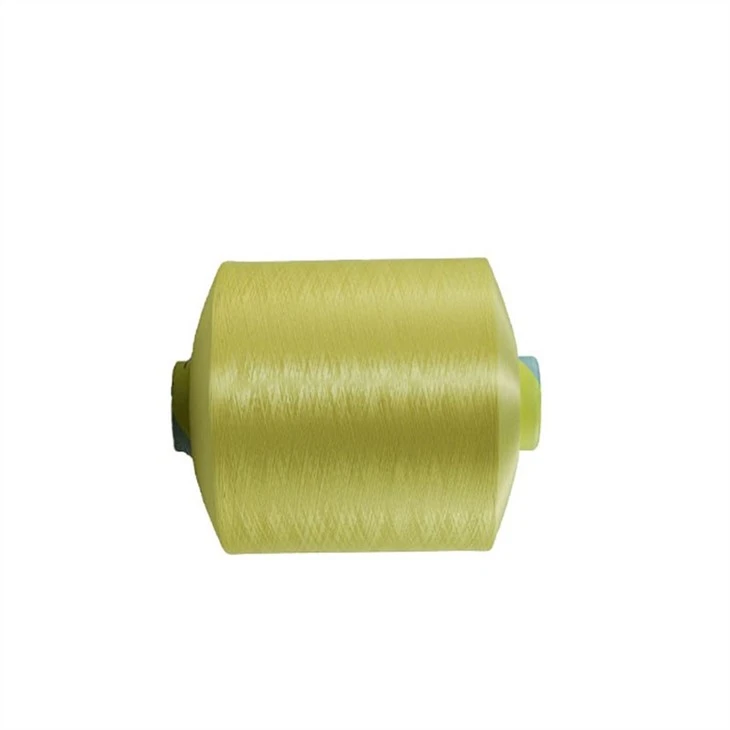
The yarn can be easily affected by external factors like moisture, temperature, and mechanical stress. Moisture can cause the yarn to lose its elasticity and even lead to mold growth, while extreme temperatures can change the physical properties of the yarn. Mechanical stress, such as excessive pulling or bending, can break the yarn or disrupt its structure.
Packaging for Protection
Proper packaging is the first line of defense in ensuring the safe transportation of Air Covered Yarn. Here are some packaging guidelines:
Inner Packaging
- Plastic Bags: Use high - quality plastic bags to enclose the yarn spools or cones. These bags should be airtight to prevent moisture from entering. For example, polyethylene bags are a popular choice due to their durability and moisture - resistance.
- Anti - Static Materials: Since Air Covered Yarn can generate static electricity during handling, using anti - static materials in the inner packaging can prevent static - related damage. Anti - static bubble wraps or liners can be placed around the yarn to protect it.
Outer Packaging
- Cardboard Boxes: Sturdy cardboard boxes are ideal for outer packaging. They provide structural support and protect the yarn from physical impacts. The boxes should be of appropriate size to fit the yarn spools or cones snugly, reducing the risk of movement during transit.
- Cushioning Materials: Add cushioning materials such as foam inserts or shredded paper inside the cardboard boxes. These materials absorb shocks and vibrations, protecting the yarn from damage caused by rough handling or bumps during transportation.
Temperature and Humidity Control
Maintaining the right temperature and humidity levels is crucial for the safe transportation of Air Covered Yarn.
Temperature
- Avoid Extreme Temperatures: Air Covered Yarn should be transported in an environment where the temperature is within a reasonable range. Extreme heat can cause the yarn to melt or lose its shape, while extreme cold can make it brittle. For most types of Air Covered Yarn, a temperature range of 10°C - 30°C is recommended.
- Climate - Controlled Transport: If possible, use climate - controlled trucks or containers for transportation. These vehicles can maintain a stable temperature throughout the journey, ensuring the quality of the yarn.
Humidity
- Low Humidity Environment: High humidity can lead to moisture absorption by the yarn, which can damage its structure. Aim for a relative humidity of less than 60% during transportation. Desiccants can be placed inside the packaging to absorb any excess moisture.
Handling and Loading
Proper handling and loading techniques can significantly reduce the risk of damage to Air Covered Yarn during transportation.
Handling
- Gentle Handling: Train the workers involved in handling the yarn to be gentle. Avoid dropping, throwing, or rough handling of the yarn spools or cones. Use appropriate lifting equipment such as forklifts or pallet jacks to move the packaged yarn.
- Avoid Tangling: When moving the yarn, make sure it does not get tangled. Tangled yarn can be difficult to unwind and may even break during the process.
Loading
- Secure Placement: When loading the packaged yarn into trucks or containers, place them securely to prevent movement. Use straps or restraints to hold the boxes in place. Stack the boxes carefully to avoid crushing the bottom ones.
- Separation of Different Types: If transporting different types of Air Covered Yarn, such as Heating Air Covered Yarn, 3075 Air Covering Machine Yarn, and Nylon Air Covered Yarn, separate them to prevent cross - contamination or damage.
Transportation Mode Selection
The choice of transportation mode can also impact the safety of Air Covered Yarn during transit.
Road Transportation
- Local and Short - Distance: Road transportation is suitable for local and short - distance deliveries. Trucks can provide door - to - door service, reducing the need for multiple transfers. However, ensure that the trucks are well - maintained and have proper shock - absorbing systems to minimize vibrations.
- Long - Distance: For long - distance road transportation, consider using trucks with climate - control features to maintain the right temperature and humidity levels.
Rail Transportation
- Bulk Shipments: Rail transportation is a cost - effective option for bulk shipments of Air Covered Yarn. Railcars can carry large quantities of goods, and they are generally more stable than trucks on long - distance routes. However, make sure the railcars are clean and dry before loading the yarn.
Air Transportation
- Urgent Deliveries: Air transportation is the fastest option, which is suitable for urgent deliveries. It also provides a relatively stable environment in terms of temperature and humidity. However, it is more expensive than other modes of transportation.
Monitoring and Tracking
Monitoring and tracking the shipment of Air Covered Yarn can help detect any potential issues during transportation.
Temperature and Humidity Sensors
- Real - Time Monitoring: Install temperature and humidity sensors inside the packaging or the transportation vehicle. These sensors can provide real - time data on the environmental conditions, allowing you to take corrective actions if necessary.
- Alerts: Set up alerts so that you are notified immediately if the temperature or humidity levels go outside the acceptable range.
GPS Tracking
- Location Monitoring: Use GPS tracking devices to monitor the location of the shipment. This can help you estimate the arrival time and ensure that the shipment is on the right route. It also provides an extra layer of security in case of theft or diversion.
Conclusion
Transporting Air Covered Yarn safely requires a comprehensive approach that includes proper packaging, temperature and humidity control, careful handling, appropriate transportation mode selection, and monitoring. By following these guidelines, we can ensure that our customers receive high - quality Air Covered Yarn that meets their expectations.
If you are interested in purchasing our Air Covered Yarn products, we invite you to contact us for further discussions. We are committed to providing you with the best products and services.
References
- Textile Packaging Handbook: Best Practices for Yarn and Fabric Protection.
- Transportation of Specialized Textile Products: Guidelines and Case Studies.
- Air Covered Yarn Manufacturing and Quality Control Manual.


