

Hey there! As a supplier of Deodorant Nylon Yarn, I often get asked a bunch of questions. One that pops up quite a bit is, "Is deodorant nylon yarn resistant to insects?" Let's dig into this topic and find out what's what.

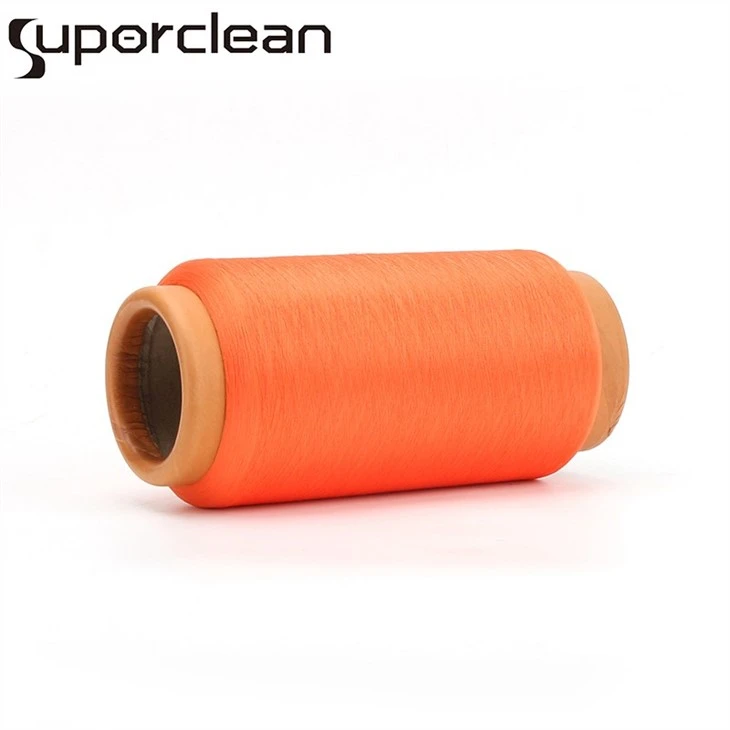
First off, let's understand what deodorant nylon yarn is. It's a special type of yarn made from nylon, which is a synthetic polymer known for its strength and durability. The "deodorant" part comes from the addition of certain substances that help reduce or eliminate unpleasant odors. These substances can work in different ways, like neutralizing odor - causing bacteria or absorbing the odors themselves.
Now, onto the big question: insect resistance. To figure this out, we need to look at the properties of both the nylon itself and the deodorizing agents.
Nylon, in its basic form, isn't really a magnet for insects. It doesn't have the organic matter that many bugs are attracted to, like food particles or natural fibers that can break down. But that doesn't mean it's completely off - limits to insects. Some insects, like moths, are known to chew on synthetic materials, although it's less common than them going after natural fibers like wool or cotton.
When it comes to the deodorizing agents in deodorant nylon yarn, it depends on what they are. Some deodorants use natural substances like essential oils. Certain essential oils, such as citronella, eucalyptus, and lavender, are well - known for their insect - repelling properties. If these are part of the deodorizing formula in the nylon yarn, then there's a good chance it could have some level of insect resistance.
For example, citronella oil has been used for ages to keep mosquitoes at bay. When incorporated into the yarn, it might release a small amount of the oil over time, creating a protective barrier against insects. However, the effectiveness would depend on how much of the oil is used, how it's incorporated into the yarn, and how long it can maintain its potency.
On the other hand, some deodorizing agents are more focused on odor control and might not have any insect - repelling qualities at all. These could be chemical compounds that work by changing the pH of the environment around the yarn to inhibit the growth of odor - causing bacteria. In such cases, the yarn might not have any additional protection against insects.
Another factor to consider is the environment where the deodorant nylon yarn is used. In a clean, indoor environment with few insects, the question of insect resistance might not even matter much. But in outdoor settings, especially in areas with a high insect population, it becomes a more important consideration.
Let's take a look at some real - world applications. If you're using deodorant nylon yarn to make Nylon Yarn With TPM, which could be used in clothing or accessories, insect resistance could be a plus. For instance, if you're making hiking socks, having yarn that can also keep bugs away would be a great feature for outdoor enthusiasts.
Similarly, Shoe Pad Deodorant Yarn could benefit from insect resistance. If you're in an area with a lot of ants or other crawling insects, having a shoe pad that can repel them would be handy.
And for Color Single Covered Polyester Yarn, which is often used in various textile products, insect resistance could add an extra selling point.
To test the insect resistance of deodorant nylon yarn, different methods can be used. One common way is to expose samples of the yarn to a controlled environment with a specific type of insect. You can then observe how the insects interact with the yarn over a period of time. This can give you a good idea of whether the yarn is attractive or repellent to the bugs.
However, it's important to note that the results can vary depending on the type of insect, the conditions of the test, and the specific formulation of the deodorant nylon yarn.
In conclusion, whether deodorant nylon yarn is resistant to insects isn't a straightforward yes or no answer. It depends on the deodorizing agents used, the type of nylon, and the environment. In some cases, it could have significant insect - repelling properties, while in others, it might not offer much protection at all.
If you're in the market for deodorant nylon yarn and insect resistance is an important factor for you, I'd be more than happy to discuss our products with you. We can talk about the specific formulations we use and how they might perform in terms of insect resistance. Whether you're a manufacturer looking to incorporate our yarn into your products or a retailer interested in stocking our items, we're ready to have that conversation. Reach out to us to start the procurement discussion and find the perfect deodorant nylon yarn for your needs.
References:
- Textile Research Journal articles on synthetic fiber properties
- Studies on the use of essential oils as insect repellents
- Industry reports on functional yarns and their applications


