


Hey there! As a supplier of single covered yarn, I've been getting a lot of questions lately about what dyeing methods are suitable for this type of yarn. So, I thought I'd share some insights based on my experience in the industry.
First off, let's understand what single covered yarn is. It's a type of yarn where a filament or staple fiber is wrapped around a core yarn. This construction gives it unique properties like stretch, durability, and a smooth surface. Now, when it comes to dyeing, we need to consider a few factors such as the fiber composition of the yarn, the desired color fastness, and the end - use of the product.
1. Direct Dyeing
Direct dyes are a popular choice for single covered yarn, especially when the core or the covering fiber is made of cellulose fibers like cotton or rayon. These dyes are relatively easy to use. You just dissolve them in water and immerse the yarn in the dye bath. They have a good affinity for cellulose fibers, which means they can attach to the fibers easily.
One of the advantages of direct dyes is that they come in a wide range of colors. You can achieve bright and vivid shades with them. However, the color fastness of direct dyes may not be the best, especially when it comes to washing. So, if the single covered yarn is going to be used in products that require frequent washing, like clothing, you might need to use a fixative to improve the color fastness.
For example, if you're using our 7070 Spandex Covered Yarn For Earloop Of Mask, and the covering fiber has some cellulose content, direct dyeing could be a good option for a quick and simple color change.
2. Acid Dyeing
Acid dyes are great for single covered yarns where the fiber is made of protein - based materials like wool or silk, or synthetic fibers like nylon. These dyes work in an acidic environment. You add an acid, usually acetic acid, to the dye bath to lower the pH.
The acid helps the dye molecules to bond with the fibers. Acid dyes offer excellent color fastness, especially to light and washing. They can produce very bright and long - lasting colors. If you're working with our Regenerated Nylon Covered Yarn, acid dyeing would be a suitable choice as nylon has a good affinity for acid dyes.
However, acid dyeing requires more careful control of the dyeing conditions. The pH of the dye bath needs to be monitored closely, and the temperature also plays a crucial role. If the conditions are not right, you may end up with uneven dyeing.
3. Reactive Dyeing
Reactive dyes are a top - notch option for single covered yarns with cellulose fibers. These dyes actually react with the fibers to form a covalent bond. This means that the color is very firmly attached to the fibers, resulting in excellent color fastness.
Reactive dyeing can produce a wide range of colors, from pastels to deep, rich shades. It's a bit more complex than direct dyeing. You need to use an alkali in the dye bath to activate the reaction between the dye and the fibers. The dyeing process also involves different stages like dyeing, fixation, and washing.
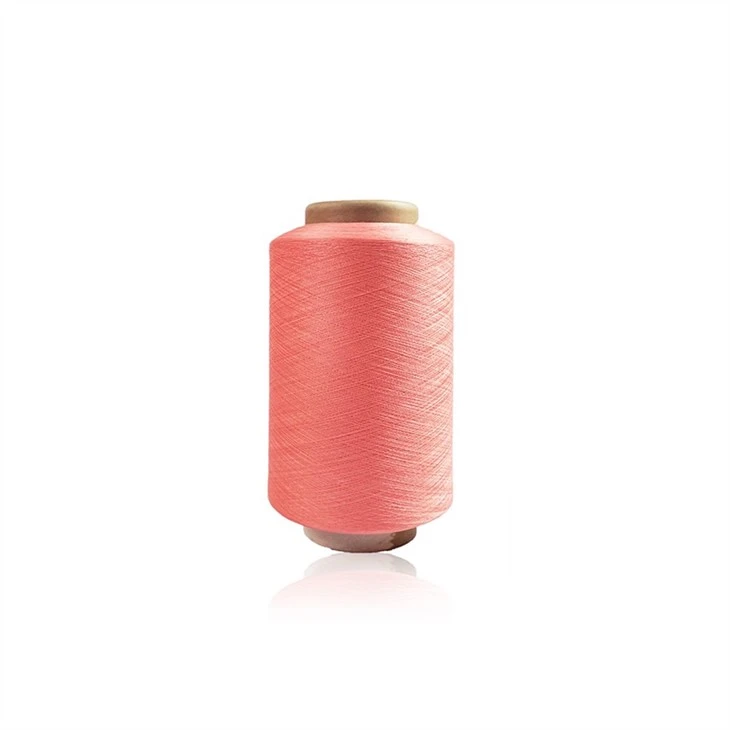

If you're using single covered yarn for products that need high - quality and long - lasting color, like home textiles or high - end clothing, reactive dyeing is a great choice. For instance, if you're using our Elastic Seamless Single Covered Yarn in a product that will be exposed to a lot of wear and tear, reactive dyeing can ensure that the color stays vibrant.
4. Disperse Dyeing
Disperse dyes are mainly used for synthetic fibers like polyester. Single covered yarns with a polyester covering or core can be dyed using disperse dyes. These dyes are insoluble in water, so they are dispersed in the dye bath using a dispersing agent.
Disperse dyeing usually requires high temperatures and pressures. The dye molecules penetrate the polyester fibers at high temperatures, and they can produce very good color fastness. The colors are also very bright and resistant to fading.
When choosing a dyeing method, you also need to think about the equipment you have. Some dyeing methods may require special dyeing machines or facilities. For example, reactive dyeing and disperse dyeing may need more advanced equipment compared to direct dyeing.
Another important aspect is the cost. Direct dyes are generally the cheapest, while reactive dyes and some high - quality acid dyes can be more expensive. But you also need to consider the long - term benefits. If a more expensive dyeing method gives you better color fastness and quality, it may be worth the investment.
In addition to the dyeing method, the pre - treatment and post - treatment of the single covered yarn are also crucial. Pre - treatment can help to remove any impurities from the yarn and improve the dye uptake. Post - treatment, like washing and drying, can also affect the final quality of the dyed yarn.
If you're new to dyeing single covered yarn, I recommend starting with small batches. This way, you can experiment with different dyeing methods and learn from your mistakes without wasting a lot of yarn. You can also consult with a dyeing expert or do some research online to get more tips and tricks.
To sum it up, the choice of dyeing method for single covered yarn depends on the fiber composition, the desired color fastness, the end - use of the product, the available equipment, and the cost. By understanding these factors, you can choose the most suitable dyeing method for your needs.
If you're interested in our single covered yarn products and want to discuss the best dyeing methods for them, or if you have any other questions, feel free to reach out. We're always here to help you make the right choices for your projects.
References
- "Textile Dyeing and Finishing" by Lewis, D. M.
- "Handbook of Fiber Science and Technology" edited by Mark, H. F.


