


Hey there! As a supplier of Socks Covered Yarn, I often get asked about the softness level of our product. It's a crucial factor, especially when it comes to socks, as nobody wants their feet to feel uncomfortable. So, let's dive into what exactly determines the softness level of socks covered yarn.
Understanding the Basics of Socks Covered Yarn
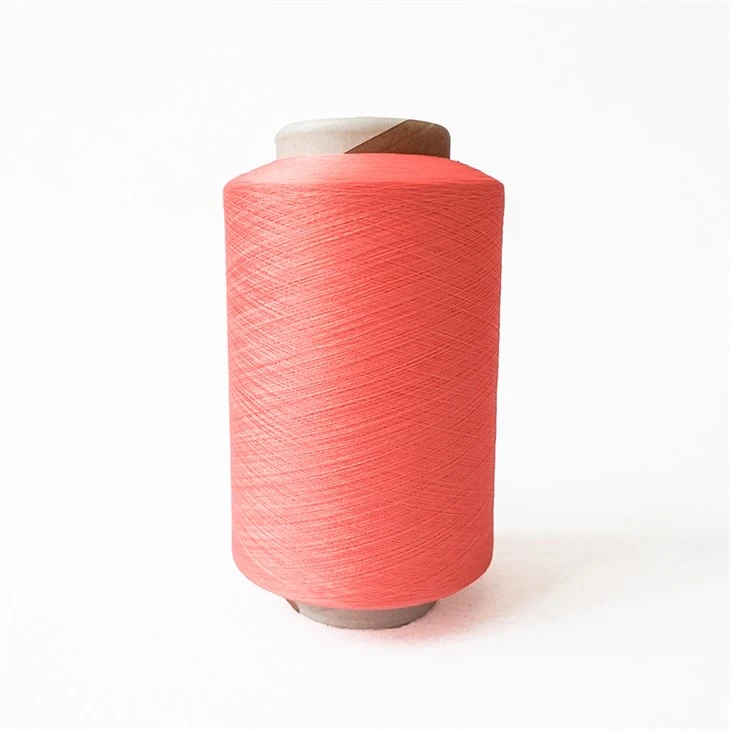
First things first, what is socks covered yarn? Well, it's a type of yarn that consists of a core yarn covered by another yarn. The core yarn usually provides elasticity and strength, while the outer covering gives the yarn its appearance, feel, and additional properties.
The softness of socks covered yarn depends on several factors. One of the most significant factors is the type of fibers used in both the core and the covering. For example, natural fibers like cotton and wool are generally known for their softness. Cotton is breathable and has a smooth texture, making it a popular choice for the outer covering of socks covered yarn. Wool, on the other hand, is not only soft but also has excellent insulating properties, keeping your feet warm in cold weather.
Synthetic fibers also play a role in the softness of the yarn. Polyester, for instance, can be made to have a soft feel and is often used in combination with other fibers to improve durability and wrinkle resistance. Nylon is another synthetic fiber that is commonly used in the core of socks covered yarn due to its high strength and elasticity.
Factors Affecting the Softness Level
Fiber Quality
The quality of the fibers used is a major determinant of the softness level. Higher-quality fibers are typically finer and smoother, resulting in a softer yarn. For example, long-staple cotton is softer than short-staple cotton because its fibers are longer and more uniform. When it comes to wool, Merino wool is known for its exceptional softness compared to other types of wool due to its fine diameter.
Yarn Construction
The way the yarn is constructed also affects its softness. The number of twists in the yarn can make a difference. A lower twist count generally results in a softer and more flexible yarn, as there is less tension on the fibers. However, too few twists can make the yarn less durable.
Another aspect of yarn construction is the method of covering. In our case, we use advanced covering techniques to ensure that the outer yarn adheres evenly to the core, providing a smooth and soft surface.
Processing
The processing of the yarn after it is made can also impact its softness. Treatments such as mercerization can improve the softness and luster of cotton yarn. Mercerization involves treating cotton with a caustic soda solution, which causes the fibers to swell and become more round, resulting in a softer feel.
Measuring Softness
Measuring the softness level of socks covered yarn can be a bit tricky as it's a subjective characteristic. However, there are some objective methods that can give us an idea. One common method is to measure the fiber diameter. As mentioned earlier, finer fibers tend to be softer. We use specialized equipment to measure the diameter of the fibers in our yarns to ensure they meet our softness standards.
Another way to assess softness is through a hand feel test. This involves experienced technicians evaluating the yarn by touch, considering factors such as smoothness, flexibility, and fullness. While this method is subjective, it provides valuable insights into the overall softness of the yarn from a user's perspective.
Our Products and Softness
At our company, we take pride in offering Socks Covered Yarn with a high level of softness. We source the highest quality fibers from around the world to ensure the best possible feel for our customers. Our High Evenness Spandex Yarn is a prime example. It has a soft, smooth texture that makes it ideal for socks. The high evenness of the yarn ensures that the socks made from it have a consistent feel and appearance.
Our Socks Elastic Yarn is another product that stands out in terms of softness. It combines excellent elasticity with a soft touch, providing both comfort and support for your feet.
We also offer 7070 7040 Elastic Tapes Covered Yarn, which is known for its softness and durability. This yarn is perfect for socks that require a bit of stretch and a comfortable fit.
Why Softness Matters in Socks
So, why is softness so important in socks? Well, for starters, it directly affects the comfort of the wearer. Soft socks can prevent irritation and blisters, making your feet feel good all day long. Whether you're running errands, working out, or just relaxing at home, you want your socks to feel as comfortable as possible.

Softness also contributes to the overall quality of the socks. High-quality socks with a soft feel are more likely to be durable and last longer. They are also more appealing to customers, as people are naturally drawn to products that feel good against their skin.
Conclusion
In conclusion, the softness level of socks covered yarn is determined by a variety of factors, including the type of fibers, yarn construction, and processing. At our company, we are committed to providing the highest quality Socks Covered Yarn with an outstanding level of softness. Our products, such as High Evenness Spandex Yarn, Socks Elastic Yarn, and 7070 7040 Elastic Tapes Covered Yarn, are designed to meet the needs of our customers in terms of both comfort and performance.
If you're in the market for high-quality Socks Covered Yarn, we'd love to have a chat with you. Whether you're a sock manufacturer looking to improve the softness of your products or a business looking for a reliable yarn supplier, we're here to help. Contact us today to start a discussion about your specific requirements and how we can provide the perfect solution for you.
References
- Textile Science textbooks
- Industry reports on yarn manufacturing and sock production


